Israel Launches Special Operation in Lebanon Litani River
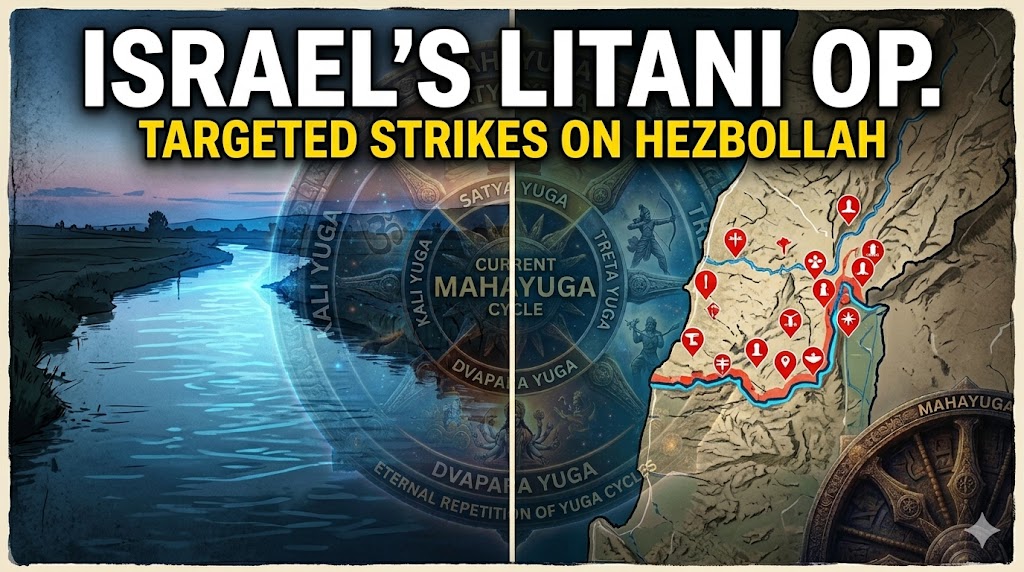
The Israel Defense Forces (IDF) have executed a targeted special operation along and beyond Lebanon’s Litani River, marking a notable escalation in ground activities even as a fragile regional ceasefire holds in the broader US-Iran conflict. The mission, involving elite units crossing the river, focused on dismantling Hezbollah military infrastructure and reducing threats to northern Israel.
This development underscores the persistent volatility in southern Lebanon despite diplomatic efforts to stabilize the region. As part of the wider tensions stemming from operations against Iran, the Litani River operation highlights Israel’s determination to secure its borders and neutralize proxy threats.
This in-depth article provides a detailed examination of the operation, its background, strategic significance, operational details, international reactions, and potential consequences for regional stability.
Historical and Strategic Significance of the Litani River
The Litani River has long served as a critical geographical and military landmark in Lebanon-Israel relations. Flowing westward across southern Lebanon, it has featured prominently in previous conflicts, including Israel’s 1978 Operation Litani and the 2006 Lebanon War.
Under UN Security Council Resolution 1701, which ended the 2006 war, Hezbollah was required to withdraw its armed presence north of the Litani River, allowing the Lebanese Armed Forces and UNIFIL peacekeepers to deploy in the south. However, implementation remained incomplete, with Hezbollah maintaining significant capabilities closer to the border.
In the current 2025-2026 conflict cycle, triggered by broader regional escalations involving Iran-backed groups, Israel has repeatedly emphasized the need for a robust buffer zone south of the Litani. The river represents both a natural defensive line and a symbolic threshold for Israeli security policy.
Background to the Current Operation
The special operation occurs within the context of the US-led campaign against Iranian nuclear and military assets, dubbed aspects of Operation Epic Fury, and parallel Israeli actions against Hezbollah. Since early 2026, intensified exchanges have included rocket fire into Israel and Israeli strikes deep into Lebanon.
Despite a declared ceasefire, both sides have accused each other of violations. Hezbollah’s continued presence and rearmament efforts north and south of the Litani prompted Israeli decision-makers to authorize proactive measures. The recent raid builds on earlier ground incursions and evacuation orders issued for villages near and beyond the river.
Israeli officials have framed these actions as defensive necessities to protect civilian populations in the north, who remain largely evacuated due to ongoing security concerns.
Details of the Special Operation
According to IDF statements, the operation was led by the Golani Brigade’s Reconnaissance Unit, supported by extensive air assets. Troops crossed the Litani River and conducted a weeklong raid in areas such as near Zawtar al-Sharqiyah, approximately 10 kilometers north of the international border.
Key elements included:
Ground Maneuvers: Elite forces achieved temporary operational control over targeted sectors, engaging in close-quarters combat with Hezbollah operatives.
Targeted Strikes: Over 100 Israeli Air Force sorties supported the raid, hitting weapons depots, underground tunnels, launch sites, and command infrastructure.
Outcomes: Dozens of Hezbollah fighters were reported neutralized. Israeli forces dismantled significant military assets, including underground networks equipped with living quarters and stockpiled weaponry.
Casualties: Several Israeli soldiers sustained light wounds, and one military working dog was lost. Hezbollah has claimed its own successes in resistance, though independent verification remains limited.
The mission concluded with Israeli forces withdrawing after achieving objectives, though it signals readiness for similar future actions if threats persist.
Israel litani attack
Strategic Objectives and Military Analysis
Israel’s primary goals in the Litani River operation appear multifaceted:
1. Degradation of Hezbollah Capabilities: Disrupting supply lines and forward infrastructure prevents the group from maintaining a credible threat along the border.
2. Buffer Zone Enforcement: Strengthening control south of the river while signaling that violations north of it will not be tolerated.
3. Deterrence:Sending a clear message to Hezbollah, Iran, and other actors that Israel will act proactively regardless of broader ceasefire frameworks.
4. Intelligence Gathering:The raid likely yielded valuable information on Hezbollah’s current deployments and resilience post-conflict.
Military experts note that such special operations allow Israel to apply pressure with relatively contained footprint compared to full-scale invasion, though risks of escalation remain.
Hezbollah’s Response and Lebanese Perspectives
Hezbollah has condemned the operation as a violation of ceasefire understandings and vowed continued resistance. The group maintains that its forces operate in defense of Lebanese sovereignty and has reported inflicting casualties on advancing Israeli troops in previous engagements.
Lebanese government officials and civilians in the south express growing frustration with the cycle of violence. Displacement remains massive, with hundreds of thousands unable to return to homes near the Litani due to security risks and Israeli evacuation orders. Humanitarian conditions continue to deteriorate amid damaged infrastructure.
International Reactions and Diplomatic Context
United States: As a close ally, the US has generally supported Israel’s right to self-defense while urging restraint to preserve fragile diplomatic progress in Iran-related talks. American officials continue to emphasize the importance of implementing Resolution 1701 fully.
Iran: Tehran has denounced the raid as further evidence of Israeli aggression and pledged continued support for its “axis of resistance,” including Hezbollah.
Europe and UN:Calls for de-escalation and full respect for Lebanese territorial integrity have been issued. UNIFIL has reported increased incidents along the Blue Line.
Regional Actors: Gulf states monitor developments closely, balancing concerns over Iranian influence with fears of wider instability affecting energy markets.
The operation adds complexity to ongoing indirect negotiations aimed at broader de-escalation across the Israel-Iran-Hezbollah spectrum.
Broader Implications for the US-Iran Conflict
This Litani River action illustrates how proxy battlegrounds continue influencing the primary US-Iran confrontation. While direct US-Iran kinetic operations may have paused, associated fronts in Lebanon remain active, affecting overall regional dynamics and ceasefire durability.
The financial costs, already significant from Iran-related operations, could rise further with sustained Lebanese engagements. Munitions expenditure, troop deployments, and potential reconstruction or compensation demands add layers to the overall burden.
Humanitarian and Economic Impact
The civilian toll in southern Lebanon has been substantial. Reconstruction of homes, roads, and bridges destroyed or damaged near the Litani will require significant international assistance. Agricultural lands along the river, vital for local economies, face long-term disruption.
Energy markets remain sensitive to any signs of renewed escalation that could threaten shipping or oil production stability in the wider Middle East.
Future Outlook and Potential Scenarios
Several trajectories appear possible:
Contained Pressure: Israel conducts periodic limited operations while diplomacy advances toward a more durable arrangement.
Escalation Cycle:Hezbollah retaliation prompts larger Israeli responses, risking broader conflict.
Diplomatic Breakthrough: Successful talks in regional or international forums lead to Hezbollah repositioning north of the Litani in exchange for security guarantees and reconstruction aid.
Analysts suggest the coming weeks will be critical, as mediators attempt to translate fragile ceasefires into lasting political solutions.
Conclusion: A Delicate Balance in a Volatile Region
Israel’s special operation along Lebanon’s Litani River reflects the persistent security challenges that define the current phase of the US-Iran war and its ripple effects. While achieving tactical successes against Hezbollah infrastructure, such actions also highlight the difficulties of securing lasting peace in a theater marked by deep-seated rivalries and proxy dynamics.
As stakeholders navigate the path forward, balancing legitimate defense needs with the imperative of de-escalation and civilian protection will remain paramount. The Litani River, once again a focal point of conflict, may yet become a line of potential separation—or continued contention—in the quest for regional stability.
The international community watches closely, hoping that targeted operations give way to comprehensive diplomatic frameworks capable of addressing root causes rather than symptoms alone. For the people of southern Lebanon and northern Israel alike, the return to normalcy cannot come soon enough.