Rising Gold, Oil & LPG Prices Fuel Mid-2026 Inflation Crisis
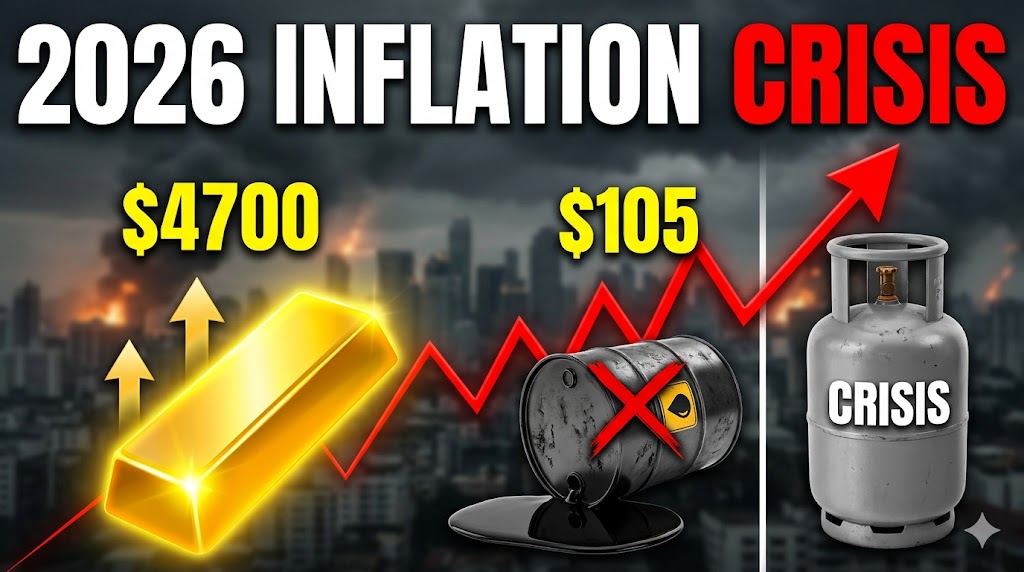
As of mid-May 2026, global commodity markets are experiencing significant volatility, with gold, oil, and LPG prices climbing to elevated levels. This upward trend is contributing to renewed inflation concerns and broader economic pressures worldwide, particularly in import-dependent economies like India.
The surge stems largely from ongoing geopolitical instability in the Middle East, especially disruptions linked to the US-Iran conflict affecting the Strait of Hormuz. Gold has reached record territories as a safe-haven asset, while oil and LPG prices have spiked due to supply constraints, directly feeding into higher transportation and household energy costs.
This article provides a detailed examination of the current price movements, underlying causes, inflationary impacts, sectoral consequences, and potential outlook through the remainder of 2026.
Gold prices have shown remarkable strength in 2026. By mid-May, spot gold has traded around $4,700 per ounce, with earlier peaks exceeding $5,400 in January. This represents a substantial increase from levels around $3,300-$3,500 in mid-2025.
Several factors underpin this rally. Geopolitical uncertainty has boosted investor appetite for the yellow metal as a reliable store of value. Central bank purchases continue at a robust pace, while elevated inflation expectations and concerns over currency stability add further support.
In India, 22-carat gold rates have crossed significant thresholds, with major jewelers reporting prices around Rs 14,000+ per gram in key cities. This surge affects not only investors but also the wedding and festive season demand, traditionally strong drivers of physical gold buying.
Analysts project sustained strength, with some forecasts targeting $5,600 to $6,300 per ounce by year-end, depending on how long regional tensions persist.
Oil Prices: Geopolitical Disruptions Push Benchmarks Higher
Crude oil prices have climbed sharply, with Brent crude hovering near $104-$107 per barrel in mid-May 2026. This marks a near-doubling from some earlier 2025 lows and reflects ongoing supply risks.
The primary catalyst has been disruptions in the Strait of Hormuz, a critical chokepoint for global oil and gas shipments. Reduced flows from the region have tightened international supplies, sending shockwaves through energy markets.
Retail fuel prices have responded accordingly, with gasoline and diesel costs rising in many countries. In the United States, this has contributed to headline inflation jumping to multi-year highs, with energy components playing a outsized role in recent CPI readings.
The interplay between oil prices and inflation is particularly pronounced. Higher energy costs feed into transportation, manufacturing, and food production, creating broad-based price pressures that central banks must carefully monitor.
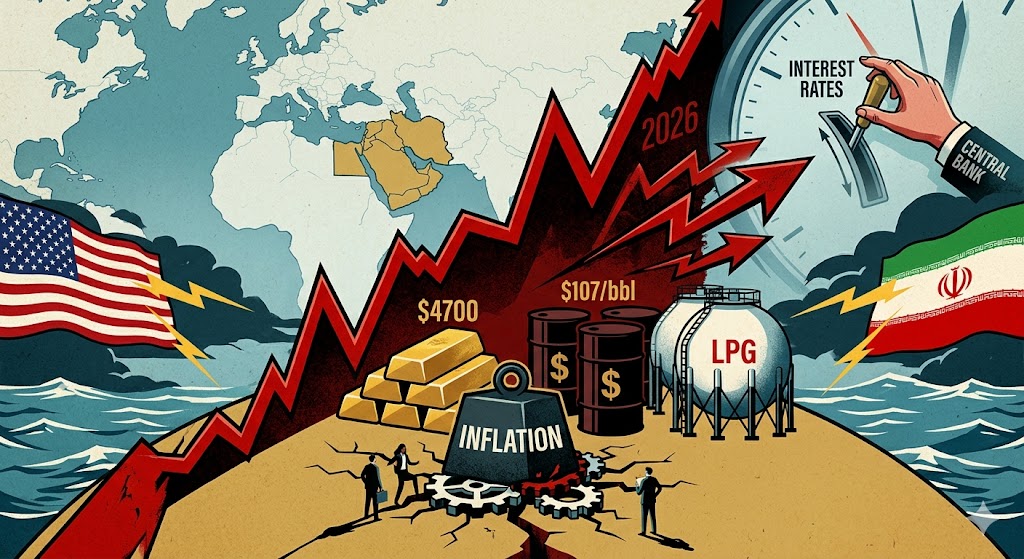
The crushing weight of inflation: Gold bars ($4700), oil barrels ($107), and LPG tanks spike dramatically, putting immense pressure on the global economy (symbolized by crushed gears) amidst geopolitical instability, as of mid-May 2026
LPG Prices: Acute Crisis for Households and Industry
Liquefied Petroleum Gas (LPG) has seen some of the most dramatic increases, especially in India. Commercial LPG cylinder prices have surged past Rs 3,000 in major cities, with multiple hikes recorded since early 2026. Domestic non-subsidized cylinders have also faced upward revisions.
Supply constraints from the Middle East have been the dominant factor. India relies heavily on imports for LPG, and disruptions in key sourcing routes have led to shortages, panic buying, and black-market activity in some areas. Consumption reportedly fell by around 16% year-on-year in April as prices deterred usage.
This LPG price spike affects millions of households directly. Many families are shifting to alternative fuels like firewood where possible, while small businesses and restaurants face squeezed margins. The government has faced challenges balancing subsidy burdens with fiscal prudence amid these external shocks.
Inflation Dynamics: From Commodity Surge to Broader Pressures
The combined rise in gold, oil, and LPG prices is amplifying inflation risks. Energy costs carry significant weight in consumer price baskets, and sustained elevations can lead to second-round effects as businesses pass on higher input costs.
In the US and Europe, headline inflation has accelerated, prompting analysts to revise forecasts upward and temper expectations for interest rate cuts. In India, the fuel and light component of the CPI is under strain, with potential spillover into food and transport inflation.
Economists warn of stagflation risks—higher prices alongside slower growth—if supply disruptions persist. While some view the oil and LPG spikes as transitory, the duration of geopolitical tensions will determine the lasting impact.
Gold’s rise, while beneficial for investors, also signals underlying economic anxiety. Its performance often inversely correlates with confidence in traditional financial assets during uncertain times.
Sectoral and Consumer Impacts
Households: Higher fuel and cooking gas prices are eroding purchasing power. Middle and lower-income groups feel the pinch most acutely, potentially affecting consumption patterns and savings rates.
Transportation and Logistics: Elevated oil prices increase freight and travel costs, which ripple through supply chains and contribute to higher goods prices.
Agriculture and Industry: Farmers face increased costs for diesel and fertilizers (often gas-derived), while energy-intensive industries see margin compression.
Jewelry and Investment: High gold prices boost returns for existing holders but may dampen fresh demand, influencing related sectors in gold-producing and consuming nations.
Government Finances: Import-dependent countries face wider current account deficits and subsidy pressures, complicating fiscal management.
Global and Regional Responses
Central banks are adopting a cautious stance, balancing inflation control with growth support. Some have delayed easing cycles, while others monitor data closely for signs of entrenched pressures.
Governments are exploring diversification of energy sources, strategic reserves, and diplomatic efforts to stabilize supply routes. In India, calls for conservation, alternative fuels, and long-term self-reliance in energy have gained momentum.
Investors are reallocating portfolios toward commodities and defensive assets, though volatility remains high.
Outlook: Uncertainty Dominates Mid-2026
The trajectory of gold, oil, and LPG prices will hinge on developments in the Middle East. A durable ceasefire could ease supply fears and moderate prices, while prolonged tensions risk further escalation.
Analysts anticipate gold to remain supported by safe-haven flows. Oil may trade in a wide range, with $100+ levels possible if disruptions continue. LPG markets could stabilize with alternative sourcing but face near-term tightness.
For inflation, the coming months will be critical. Second-quarter data will reveal the extent of pass-through effects, guiding monetary policy decisions through the rest of 2026.
Strategic Considerations for Stakeholders
Consumers can focus on efficiency measures—such as conserving energy and timing purchases—to mitigate personal impact. Investors may consider diversified exposure to commodities while remaining mindful of volatility.
Businesses need robust hedging strategies and supply chain resilience. Policymakers face the dual challenge of short-term relief and long-term energy security reforms.
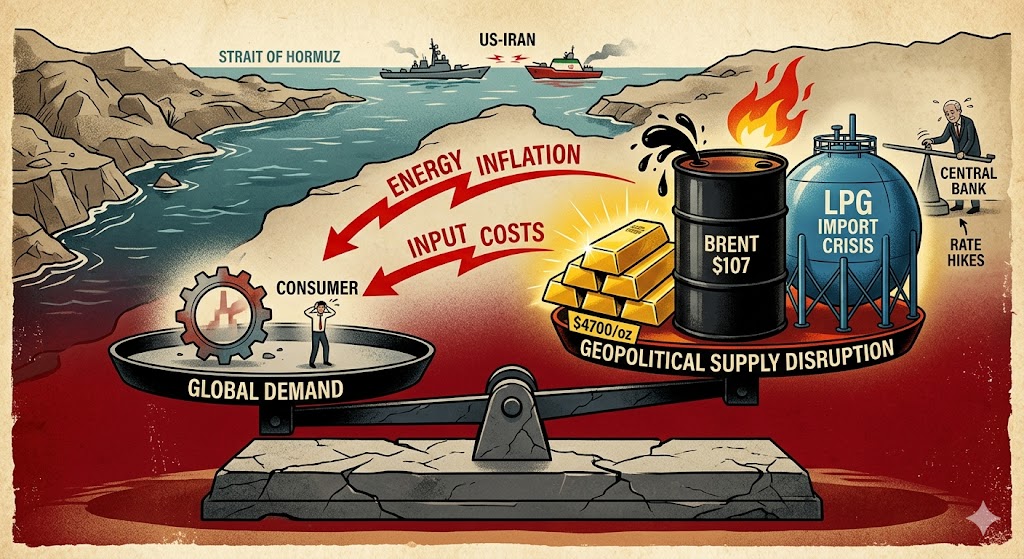
Geopolitical Supply Shock
Conclusion: Navigating a Commodity-Driven Challenge
The surge in gold, oil, and LPG prices by mid-May 2026 underscores the interconnected nature of geopolitics and everyday economics. What began as regional conflict has translated into tangible inflationary pressures and lifestyle adjustments globally.
While challenges are significant, they also highlight opportunities for innovation in energy, greater diversification, and stronger strategic planning. As markets digest these developments, adaptability and informed decision-making will be key to weathering the current storm and building resilience for the future.
The coming weeks and months will test economic models and policy responses alike. For now, the elevated commodity prices serve as a reminder of the fragile balance underpinning global prosperity—and the importance of proactive measures in an uncertain world.