Victory Day May 9: Honoring the 1945 Triumph Over Nazism
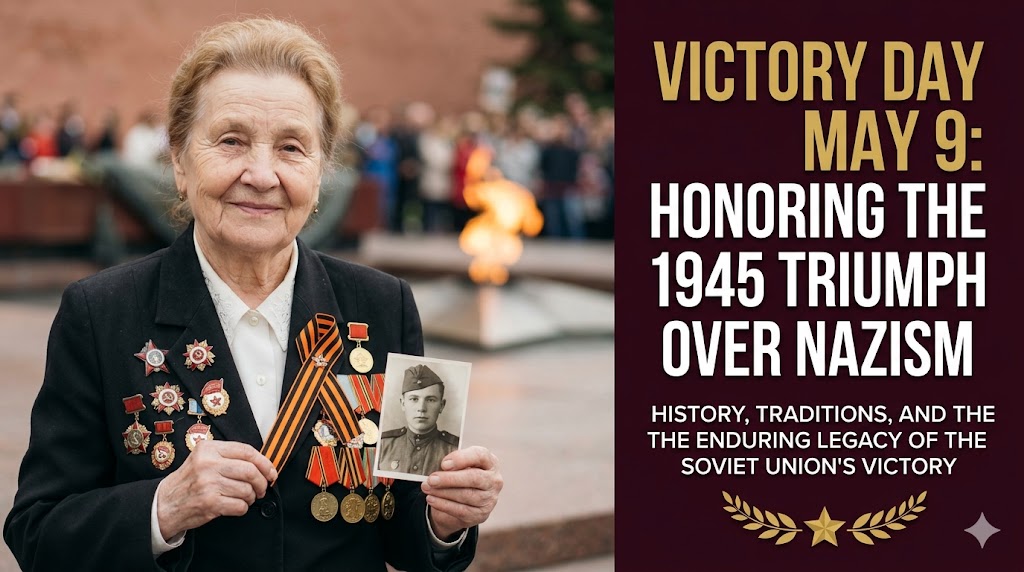
Every year on May 9, streets across Russia and many post-Soviet nations fill with a unique mix of solemn remembrance and quiet pride. Victory Day, or Den' Pobedy, stands as one of the most important holidays in the region. It marks the Soviet Union's hard-won victory over Nazi Germany in 1945, bringing an end to the devastating conflict known in the former USSR as the Great Patriotic War.
Unlike Victory in Europe Day observed on May 8 in much of the West, Victory Day falls on the 9th due to the timing of the German surrender in Berlin, which occurred late on May 8 Moscow time. This date has become far more than a historical anniversary. For millions, it represents profound sacrifice, national resilience, and the enduring memory of those who fought for freedom from fascism.
In this comprehensive guide, we delve into the origins, key events, traditions, and modern observances of Victory Day. Whether you are researching for personal interest, planning a visit, or seeking to understand its cultural weight, this article offers a detailed look at why May 9 continues to resonate so strongly today.
The Historical Background of Victory Day
The roots of Victory Day trace back to the final days of World War II in Europe. After years of brutal fighting that claimed tens of millions of Soviet lives, the Red Army played a decisive role in defeating Nazi Germany. The war on the Eastern Front, which began with the German invasion in June 1941, became a total struggle for survival.
By early May 1945, Allied forces had closed in on Berlin. On May 8, German representatives signed the unconditional surrender in Reims, France. However, Soviet leader Joseph Stalin insisted on a separate ceremony in Berlin under Soviet oversight. The final signing took place late in the evening of May 8, making it already May 9 in Moscow. Soviet radio announced the victory early that morning, sparking spontaneous celebrations across the vast territory.
The human cost was staggering. The Soviet Union lost approximately 27 million people, including both military personnel and civilians – a figure that underscores the immense sacrifices made. Entire families were affected, with nearly every household losing someone dear. This shared grief and triumph forged a collective memory that still shapes national identity.
Initially, Victory Day was proclaimed a holiday in 1945, but it was not always observed with the same scale. In the immediate postwar years, the focus remained on reconstruction. The holiday gained fuller recognition as a non-working day in 1965, during the 20th anniversary celebrations under Leonid Brezhnev. This shift helped cement its place in the public consciousness.
Key Events Leading to Victory
Understanding Victory Day requires looking at the broader timeline of the Great Patriotic War. The German Operation Barbarossa in 1941 caught the Soviet Union off guard, leading to devastating early losses. Cities like Leningrad endured a prolonged siege, while the Battle of Stalingrad in 1942-1943 marked a crucial turning point. Soviet forces not only halted the German advance but began pushing westward.
Major offensives followed, including the liberation of occupied territories and the eventual capture of Berlin. The Red Army's advance through Eastern Europe liberated many nations from Nazi occupation, though it also set the stage for postwar geopolitical changes. The raising of the Soviet flag over the Reichstag on May 2, 1945, became an iconic symbol of victory.
The first major Victory Parade took place not on May 9 but on June 24, 1945, in Moscow's Red Square. It featured thousands of troops, captured enemy banners thrown at the base of the Lenin Mausoleum, and a display of military might. Rain fell that day, adding a dramatic touch to the historic event.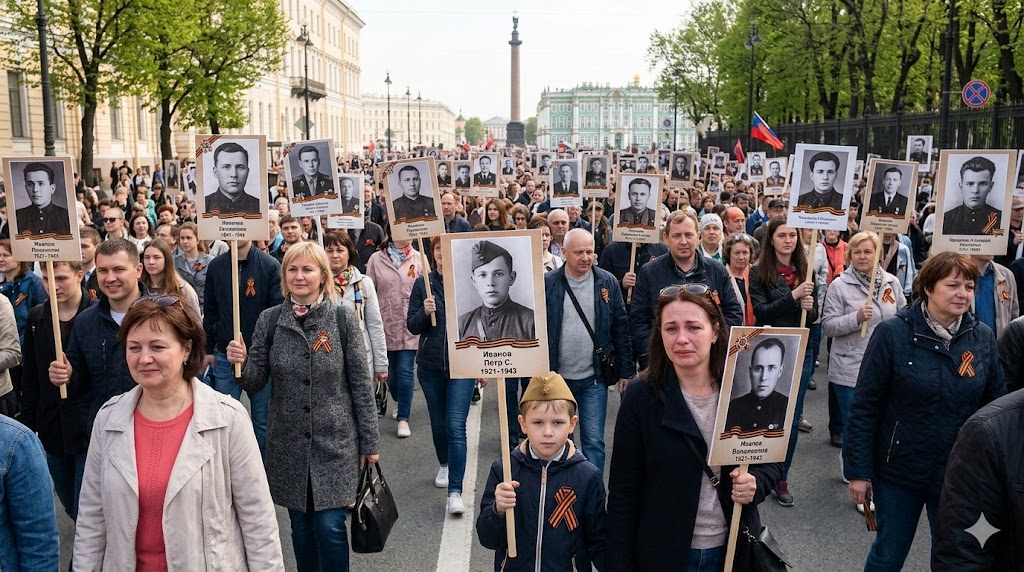
Victorian day celebrated
Significance of Victory Day in Russia and Post-Soviet States
Victory Day holds a central place in Russian society. It symbolizes not only military success but the unity and endurance of the people. Schools teach extensively about the war, and veterans – though fewer each year – receive special honors. The holiday reinforces themes of patriotism, remembrance, and vigilance against new threats.
In post-Soviet countries, observances vary but often retain core elements. Belarus, Kazakhstan, and others hold similar parades and events. Some nations have adapted the name or emphasis to fit their own historical narratives. For instance, Ukraine shifted its focus and date in recent years, while others blend WWII remembrance with local liberation stories.
The day serves as a reminder of the Soviet contribution to the Allied victory, which many argue is sometimes underappreciated in Western accounts. It fosters a sense of shared heritage across diverse ethnic groups within Russia and neighboring states.
How Victory Day Is Celebrated Today
Modern Victory Day blends solemnity with spectacle. The centerpiece in Russia is the grand military parade on Red Square in Moscow. Tanks, missiles, and troops march in precise formation, showcasing both historical pride and current military capabilities. The event is broadcast nationwide and draws massive crowds.
Fireworks light up the skies in major cities as evening falls. Concerts, wreath-laying ceremonies at war memorials, and meetings with veterans create a full day of activities. In smaller towns, local parades and school events keep the traditions alive for younger generations.
One of the most moving modern additions is the Immortal Regiment march. Participants carry portraits of relatives who served or died in the war. What began as a grassroots initiative has grown into a massive procession involving millions, connecting personal family stories to the national narrative.
The St. George Ribbon, with its orange and black stripes, serves as a popular symbol. People pin it to clothing as a mark of respect and memory. It evokes the military awards of the past and promotes unity.
Traditions and Symbols of Victory Day
Several traditions define the day:
Visiting Memorials: Families lay flowers at eternal flames and monuments, such as the Tomb of the Unknown Soldier in Moscow.
Veteran Honors: Surviving veterans wear medals proudly. Younger people offer help and express gratitude.
Media and Culture: Television airs war films, documentaries, and concerts. Songs like "Katyusha" and "Victory Day" play everywhere.
Feasts and Gatherings: Families share meals, often including traditional dishes, while recounting stories passed down through generations.
Educational Programs: Exhibitions, lectures, and school projects ensure the lessons of the war endure.
These practices keep the memory vibrant and personal rather than purely ceremonial.
Victory Day Around the Post-Soviet Space
While Russia hosts the most prominent events, celebrations occur across the region with local flavors. Belarus maintains strong observances tied to its heavy wartime losses. Central Asian republics like Kazakhstan and Uzbekistan honor the contributions of their peoples within the Soviet forces.
Differences exist. Some countries emphasize peace and reconciliation more, while others highlight liberation from fascism. Political contexts can influence tone, but the core respect for wartime sacrifices remains widespread.
Internationally, the day receives attention from nations with historical ties, including Serbia and Israel, where Victory Day also holds meaning.
The Human Stories Behind the Holiday
Behind the parades and statistics lie countless individual tales. Stories of soldiers enduring harsh winters, civilians working in factories, and partisans fighting behind enemy lines bring the history to life. Many families preserve letters, photos, and medals that surface each May 9.
These narratives highlight resilience. Despite enormous hardship, ordinary people contributed to the collective effort. Hearing them firsthand from veterans, when possible, leaves a lasting impression on those too young to remember the war.
Victory Day in the 21st Century
As time passes, Victory Day evolves. With fewer veterans remaining, the focus shifts toward preserving their legacy through education and digital archives. The holiday also intersects with contemporary events, sometimes carrying added political weight.
Yet its fundamental purpose – honoring sacrifice and celebrating peace after immense struggle – endures. Efforts to engage youth through technology, virtual tours of battlefields, and interactive museums help bridge generations.
Challenges include balancing remembrance with forward-looking perspectives and ensuring accurate historical understanding amid differing global narratives.
Planning a Visit or Participation
For those interested in experiencing Victory Day, Moscow offers the grandest scale, but cities like St. Petersburg, Volgograd (formerly Stalingrad), and regional centers provide heartfelt local events. Advance planning helps secure viewing spots for parades.
Respectful behavior is key: observe moments of silence, avoid disruptions, and approach veterans with genuine interest if they wish to share.
Conclusion: The Enduring Legacy of May 9
Victory Day on May 9 stands as a powerful testament to the human capacity for endurance and triumph over tyranny. It reminds us of the heavy price paid for peace and the importance of safeguarding it. Through parades, marches, songs, and quiet reflections, millions reaffirm their connection to the past while looking to the future.
As long as the memory lives on in hearts and homes, the spirit of Victory Day will continue to inspire. It is not merely a holiday but a living bridge between generations, built on gratitude, resilience, and hope.