Trump Warns Iran of Higher-Level Bombing Over hormuz
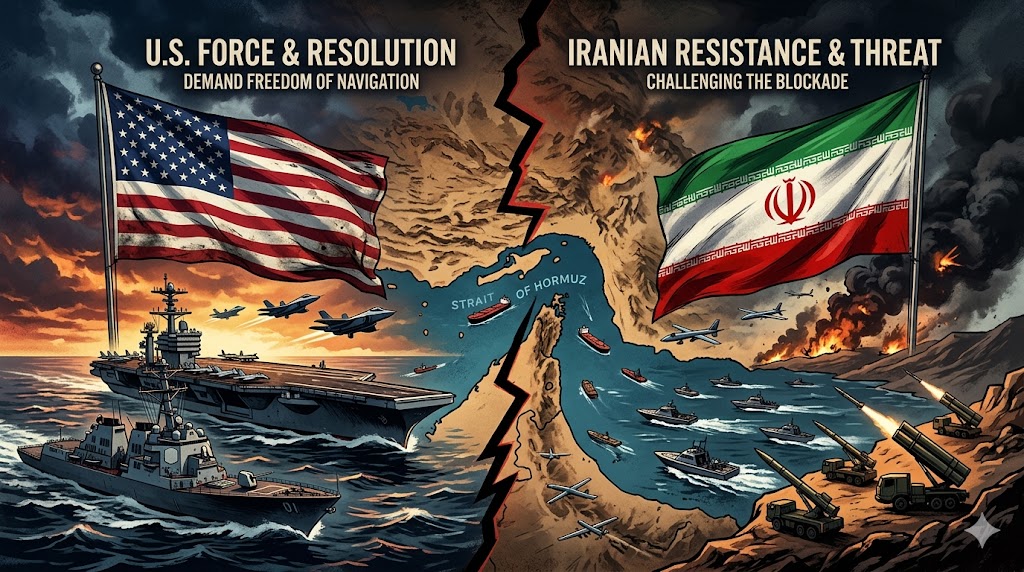
In a sharp escalation of rhetoric amid delicate negotiations, U.S. President Donald Trump has issued a stern warning to Iran: reopen the Strait of Hormuz or face bombing at a "much higher level and intensity" than previously seen. This latest development comes as reports emerge of both sides nearing a one-page memorandum aimed at ending the conflict that began in late February 2026.
The Strait of Hormuz, a narrow waterway connecting the Persian Gulf to the Arabian Sea, remains one of the world's most critical chokepoints for global energy supplies. Roughly one-fifth of the world's oil and significant volumes of liquefied natural gas pass through it under normal conditions. Its prolonged disruption has sent shockwaves through energy markets, driving up prices and raising concerns about broader economic fallout.
Trump's message, shared via Truth Social on May 6, 2026, blends optimism about potential peace with a clear ultimatum. "Assuming Iran agrees to give what has been agreed to, which is, perhaps, a big assumption, the already legendary Epic Fury will be at an end, and the highly effective Blockade will allow the Hormuz Strait to be OPEN TO ALL, including Iran," he wrote. "If they don't agree, the bombing starts, and it will be, sadly, at a much higher level and intensity than it was before."
This statement reflects the high-stakes balancing act in U.S.-Iran relations, where military pressure and diplomatic outreach appear to be proceeding in tandem.
Background of the Conflict
The current tensions trace back to February 28, 2026, when major combat operations under Operation Epic Fury commenced against Iranian targets. U.S. and Israeli forces conducted strikes on nuclear facilities, military installations, and other strategic sites, prompting Iranian retaliation that included efforts to restrict shipping through the Strait of Hormuz.
Iran's actions effectively disrupted commercial traffic, leading to a near-standstill in one of the planet's busiest shipping lanes. Reports indicate that insurance costs skyrocketed, many carriers suspended operations, and alternative routes proved insufficient to handle the volume. This blockade, combined with U.S. countermeasures, has contributed to elevated global oil prices, with U.S. gasoline costs reportedly exceeding $4.50 per gallon in some areas at peaks.
"Project Freedom," a U.S.-led initiative to escort commercial vessels through the strait, was announced but later paused as diplomatic channels showed signs of progress. Iranian forces have warned against foreign military presence in the area, heightening the risk of miscalculation.
Throughout the conflict, the Trump administration has emphasized the need for Iran to abandon its nuclear ambitions, accept international inspections, and ensure freedom of navigation. Tehran, for its part, has demanded sanctions relief and an end to what it describes as aggressive posturing.
Trump's Latest Threat: Context and Implications
President Trump's May 6 statement arrives against the backdrop of Axios reports suggesting U.S. and Iranian negotiators, including envoys like Steve Witkoff and Jared Kushner on the American side, are close to finalizing a concise 14-point memorandum of understanding. This document reportedly includes commitments from Iran on nuclear enrichment moratoriums, U.S. sanctions relief, and mutual steps to normalize shipping in the Strait of Hormuz.
The threat of "higher level" bombing serves multiple purposes. It applies pressure on Tehran to accelerate concessions while reassuring domestic audiences and allies that the U.S. maintains a firm stance. Analysts note that previous strikes under Epic Fury targeted key infrastructure; any resumption at greater intensity could involve broader campaigns against military and economic assets.
However, the language also acknowledges the human and strategic costs. By framing renewed action as "sadly" necessary, Trump signals reluctance for prolonged conflict while underscoring resolve.
International reactions have been mixed. China's foreign minister has called for a comprehensive ceasefire, while regional players monitor the situation closely due to potential spillover effects on security and energy exports.
Strategic Importance of the Strait of Hormuz
To fully appreciate the stakes, one must understand the geography and economics involved. The Strait of Hormuz is approximately 21 miles wide at its narrowest point, with shipping lanes even more constrained. It serves as the primary export route for oil from Saudi Arabia, Iraq, the UAE, Kuwait, and Iran itself.
Disruptions here do not merely affect spot prices; they ripple through supply chains, inflation calculations, and geopolitical alliances. During the current crisis, shipping traffic has dropped dramatically—to as low as 10-20% of normal levels on many days—with selective passages under Iranian protocols or U.S. escorts.
Experts estimate that sustained closure could push oil prices well above $100 per barrel, exacerbating inflationary pressures in consuming nations and straining economies already navigating post-pandemic recoveries. For producing countries in the Gulf, lost revenues translate into budgetary challenges and potential domestic instability.
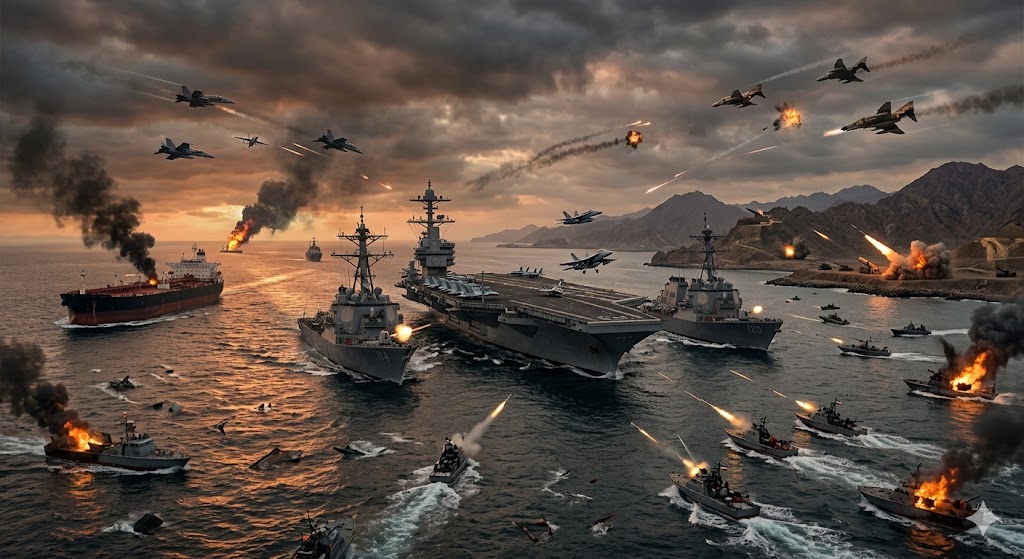
From a military perspective, the strait presents unique challenges. Its confined waters favor asymmetric tactics such as mines, fast-attack boats, and shore-based missiles—tools Iran has historically threatened to employ. U.S. naval superiority provides options for escort and interdiction, but any confrontation risks escalation and environmental catastrophe from damaged tankers.
Diplomatic Efforts and the Path to a Memorandum
Behind the public threats, quiet diplomacy appears active. Sources indicate negotiations focus on a slimmed-down agreement that could serve as a foundation for more comprehensive talks. Key elements likely include:
A temporary halt to Iranian uranium enrichment beyond certain thresholds
Enhanced IAEA access for verification
Phased lifting of select U.S. sanctions
Commitments to freedom of navigation in the Strait of Hormuz without undue interference
Mechanisms to de-escalate naval and aerial activities
The involvement of figures like Secretary of State Marco Rubio highlights the administration's coordinated approach, blending tough talk with pragmatic outreach.
Iranian officials, including Foreign Minister Abbas Araghchi, have engaged with counterparts in Beijing and elsewhere, seeking to broaden support and perhaps gain leverage. Yet domestic politics in both capitals constrain flexibility—hardliners on each side wary of perceived capitulation.
A successful one-page memo could pause active hostilities, reopen shipping lanes, and buy time for deeper negotiations on nuclear issues and regional security. Failure, however, risks renewed and intensified military action.
strait of hormuz warning
Economic and Global Ramifications
The Hormuz crisis has already reshaped energy markets. Oil traders watch every statement from Washington or Tehran, leading to volatility. Alternative routes, such as pipelines bypassing the strait, operate at increased capacity but cannot fully compensate.
For the United States, higher energy costs affect consumers directly at the pump and indirectly through broader inflation. For Europe and Asia, reliant on Gulf supplies, the stakes involve energy security and industrial competitiveness.
Beyond oil, the conflict influences shipping insurance premiums, commodity prices, and investor sentiment. Stock markets in energy and defense sectors have seen gains, while others face uncertainty.
Longer-term, resolution could stabilize markets, but rebuilding trust and infrastructure—if damaged—would take time. Environmental risks from potential oil spills in the strait add another layer of concern for Gulf ecosystems and fisheries.
Military Capabilities and Potential Scenarios
The U.S. maintains significant naval assets in the region, supported by air power and alliances. Operation Epic Fury demonstrated precision strikes on hardened targets. A "higher level" campaign might expand to additional sites, aiming for rapid degradation of Iranian capabilities.
Iran possesses a large arsenal of ballistic and cruise missiles, drones, and proxy networks across the region. Its strategy often emphasizes asymmetric responses, targeting shipping, U.S. bases, or allies like Israel and Gulf states.
Scenarios range from a quick diplomatic breakthrough to prolonged stalemate or sharp escalation. Miscalculation remains a primary worry— a single incident in the confined waters of Hormuz could spiral rapidly.
Defense analysts stress the importance of clear communication channels to manage crises, even amid confrontation.
Historical Parallels and Lessons
Tensions over the Strait of Hormuz are not new. During the 1980s Tanker War, attacks on shipping prompted international intervention. The 2019-2020 period saw seizures and strikes following the U.S. withdrawal from the JCPOA.
What distinguishes the current episode is the scale of direct U.S.-Iran confrontation and the involvement of Israel in initial strikes. Lessons from past crises highlight the value of deterrence paired with diplomacy, as well as the high costs of prolonged disruption.
President Trump's approach—maximum pressure combined with deal-making—echoes elements of his first-term strategy, adapted to the heightened stakes of open conflict.
Voices from the Region and International Community
Gulf states, dependent on secure shipping, have urged de-escalation while supporting freedom of navigation. European nations emphasize diplomatic solutions and nuclear non-proliferation. China and Russia, with their own interests, call for restraint and multilateral engagement.
Iranian perspectives, as conveyed through state media and officials, frame the situation as resistance to external aggression, with assurances that they can withstand pressure.
Public opinion in the U.S. appears divided, with many supporting strong action against nuclear threats but wary of another extended Middle East conflict.
Potential Outcomes and the Road Ahead
As of May 6, 2026, the situation remains fluid. Trump's threat underscores urgency, yet the pause in Project Freedom and reports of progressing talks suggest a window for resolution.
Possible paths forward include:
1. Swift Agreement: Iran accepts core terms, leading to reopened shipping, paused operations, and initial sanctions relief.
2. Prolonged Negotiations: Back-and-forth with intermittent incidents, testing patience on all sides.
3. Escalation: Rejection of terms triggers renewed strikes, potentially broadening the conflict.
Success hinges on verifiable actions, mutual compromises, and sustained international support. For the global economy, reopening the Strait of Hormuz would provide immediate relief, though underlying issues in U.S.-Iran relations would persist.
Conclusion
President Trump's warning of higher-level bombing if Iran does not reopen the Strait of Hormuz encapsulates the blend of force and negotiation defining current U.S. policy. While the rhetoric is firm, it coincides with apparent progress toward ending active hostilities.
The world watches closely. Resolution would avert further economic pain and humanitarian risks. Failure could usher in a more intense phase of conflict with unpredictable consequences.
Stakeholders on all sides have incentives to find common ground. Whether the emerging memorandum materializes into lasting peace remains to be seen, but the coming days will prove critical in determining the trajectory for the Strait of Hormuz, regional stability, and global energy security.