The Bhagavat Purana: The Fifth Veda of Sanatan dharma
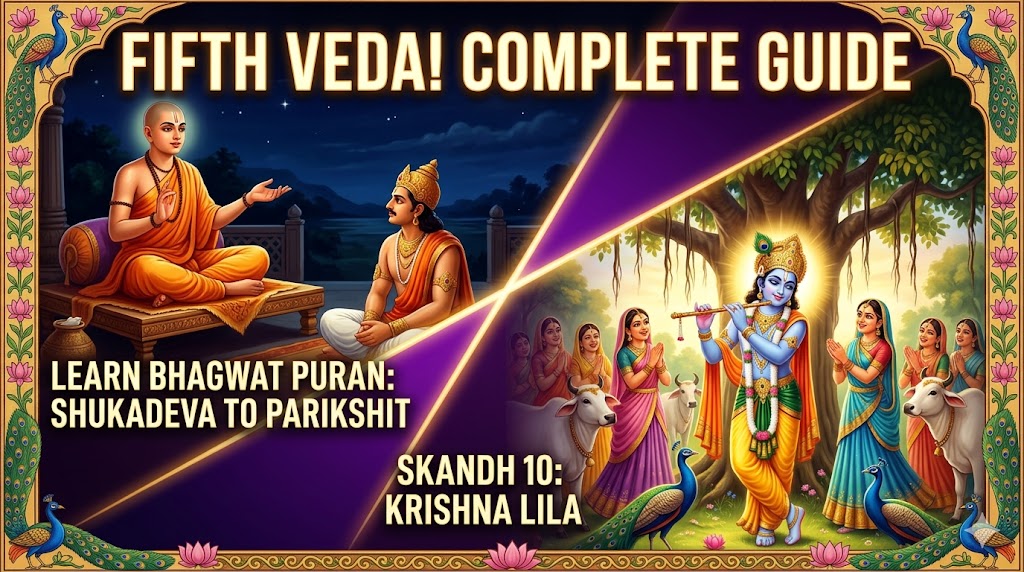
In the vast ocean of Hindu scriptures that form the foundation of Sanatan Dharma, the Puranas hold a special place as repositories of ancient wisdom, mythology, cosmology, and devotional teachings. Among the 18 major Mahapuranas, the Shrimad Bhagavat Purana, also known as Bhagwat Puran or Bhagavata Purana, stands out as one of the most revered and influential texts. Often called the "Fifth Veda," it encapsulates the essence of Vedic knowledge in an accessible form, emphasizing bhakti or pure devotion to the Supreme Lord.
This sacred scripture is not merely a collection of stories but a profound guide to living a life aligned with dharma, leading ultimately to moksha, or liberation. Composed in Sanskrit with approximately 18,000 verses across 12 skandhas (cantos), it narrates the glories of Lord Vishnu and his incarnations, with a special focus on Lord Krishna. For millions of devotees, reading or listening to the Bhagwat Puran Katha brings peace, wisdom, and a deeper connection to the divine.
Scholars generally date its composition to around the 10th century CE in southern India, though its roots draw from earlier traditions. It bridges philosophy, devotion, and practical life lessons, making it relevant across ages. In this article, we delve into its place among the Puranas, its structure, key teachings, and enduring significance.
The 18 Mahapuranas and the Position of Bhagwat Purana
Sanatan Dharma recognizes 18 Mahapuranas as major ancient texts that expand on Vedic principles through narratives. These are traditionally remembered by the mnemonic: "Madvayam Bhadvayam..." listing texts like Brahma, Padma, Vishnu, Shiva, and others.
The Bhagavata Purana is typically listed as the fifth or sixth in many enumerations, highlighting its prominence in Vaishnava traditions. Unlike some Puranas focused on rituals or genealogy alone, it integrates cosmology, ethics, and supreme devotion. It is classified among the Sattvic Puranas, promoting purity and spiritual elevation.
Vyasa, the compiler of the Vedas and author of the Mahabharata, is credited with composing the Bhagwat Puran after realizing that mere knowledge without devotion was incomplete. He shared it through his son Shukadeva Goswami, who narrated it to King Parikshit in the final seven days of the king's life.
This context sets the Bhagwat Puran apart—it is a dialogue on the brink of death, underscoring the urgency of spiritual realization in Kali Yuga.
The Bhagavata Purana is masterfully organized into 12 skandhas, each building upon the previous to unfold the complete picture of creation, preservation, and devotion. This structure mirrors the human form attributed to Lord Krishna himself in some traditions.
Skandha 1: Introduces the text's origin. Sages in Naimisharanya request Suta Goswami to recite the Bhagavatam. It covers the birth of Parikshit and sets the stage for the narration by Shukadeva.
Skandha 2: Describes the process of creation and the supreme reality. It glorifies the path of bhakti and provides an overview of the universe's structure.
Skandha 3: Details creation through Brahma, the teachings of Kapila Muni on Samkhya philosophy, and the story of Devahuti.
Skandha 4: Narrates stories of Dhruva, Prahlada's ancestors, and King Prithu, emphasizing devotion amid worldly duties.
Skandha 5: Covers the geography of the universe, the story of Ajamila, and further cosmic descriptions.
Skandha 6: Includes the story of King Citraketu, the churning of the ocean in parts, and Indra's battles, highlighting the power of devotion over material strength.
Skandha 7: Focuses on Prahlada Maharaj and Narasimha Avatar, a cornerstone of bhakti teachings.
Skandha 8: Describes various avatars like Vamana, the elephant Gajendra's liberation, and the churning of the ocean (Samudra Manthan).
Skandha 9: Chronicles the dynasties of the Solar and Lunar lines, including stories leading up to Krishna's appearance.
Skandha 10: The heart and soul of the Purana. This longest skandha details Lord Krishna's complete life – his birth in Mathura, childhood lilas in Vrindavan, victories over demons like Putana and Kaliya, the Govardhan lifting, the divine Rasa Lila with the gopis, his role in the Mahabharata, and establishment of Dwaraka. Bhagwat Puran Skandh 10 is beloved worldwide for its enchanting portrayal of Krishna's pastimes.
Skandha 11: Contains the Uddhava Gita, Krishna's final instructions to his devotee Uddhava before departing. It covers advanced bhakti, yoga, and detachment.
Skandha 12: Predicts the characteristics of Kali Yuga, describes the end of the Yadu dynasty, and concludes with the glories of the Bhagavatam itself.
This systematic progression from cosmology to personal devotion makes the text comprehensive yet deeply personal.
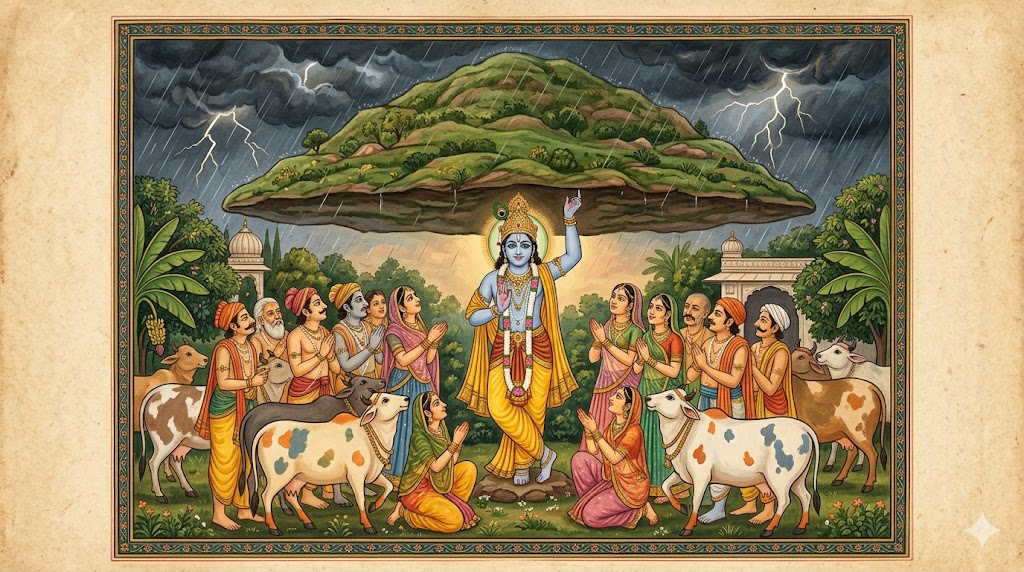
Skandha 10: Krishna's Vrindavan Lila (Rasa Lila)
Core Teachings and Instructions in Bhagwat Puran
The Bhagwat Puran is a manual for bhakti yoga. It teaches that pure love for God transcends rituals and knowledge alone. Key instructions include:
Nine Forms of Devotion (Navadha Bhakti): As explained by Prahlada – hearing (shravana), chanting (kirtana), remembering, serving, worshiping, praying, serving as a friend, and surrendering completely.
Stories as Lessons: Every narrative, whether of Dhruva's penance, Prahlada's unwavering faith, or the gopis' pure love, illustrates how devotion conquers obstacles.
Cosmology and Time: Detailed descriptions of lokas, yugas, and manvantaras remind readers of the temporary nature of material existence.
Ethics in Kali Yuga: It foretells challenges of the current age but assures that sincere chanting and listening to Krishna's glories suffice for liberation.
The text integrates elements of Advaita, Samkhya, and other philosophies but always returns to personal devotion to Krishna as the easiest and most effective path.
It also addresses social harmony, the role of kings, family life, and environmental respect through stories involving nature and animals.
Krishna Lila: The Essence of Bhagwat Puran Katha
No discussion of the Bhagwat Puran is complete without its portrayal of Lord Krishna. Skandha 10 brings alive the playful child, the protector, the lover, and the statesman. From stealing butter to dancing under the moon with gopis, these lilas symbolize the soul's yearning for the divine.
Devotees often organize week-long Bhagwat Puran Katha recitals, where learned speakers narrate these stories, creating an atmosphere of devotion. Many find solace in Bhagwat Puran video adaptations or full readings in Hindi and other languages.
The Rasa Lila, in particular, is interpreted on multiple levels – literal divine play and allegorical representation of the soul's union with God.
Devi Bhagwat Purana: A Related Text
While the primary Bhagwat Puran centers on Vishnu/Krishna, the Devi Bhagwat Purana exalts the Divine Mother, Shakti. It is sometimes considered among Upapuranas or a parallel text, with its own 12 skandhas and 18,000 verses, focusing on goddess worship. Both enrich Sanatan Dharma's pluralistic approach.
Significance in Modern Times and How to Learn Bhagwat Puran
In today's fast-paced world, the Bhagwat Puran offers timeless solutions – reducing stress through devotion, ethical living, and perspective on life's transience. It inspires art, music, dance (like Rasleela performances), and festivals across India and the diaspora.
To learn it:
Start with summaries or Skandha 10.
Read reliable translations in Hindi, English, or Marathi.
Listen to discourses by respected acharyas.
Join or organize kathas for immersive experience.
Practice daily reading of even a few verses.
Resources like Bhagwat Puran mool path (original Sanskrit), aarti, and full stories are widely available. Bhagwat Puran Sampurn editions help serious students.
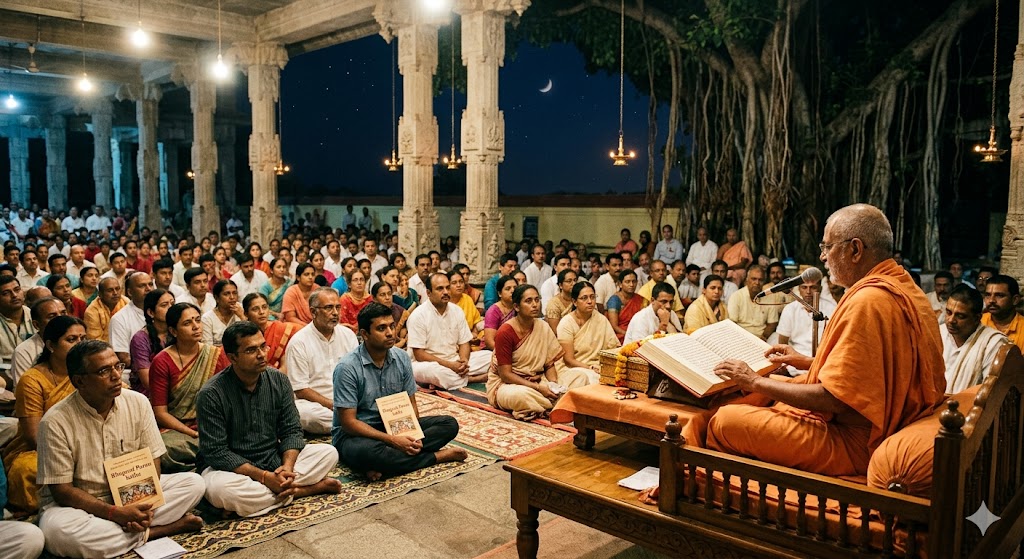
Bhakti in Action: Learning the Bhagwat Puran (Katha)
Conclusion: Embracing the Wisdom of Shrimad Bhagavat Purana
The Bhagwat Puran is more than scripture; it is a living tradition that has shaped Hindu culture for centuries. As one of the 18 Puranas, it beautifully embodies Sanatan Dharma's emphasis on love, duty, and ultimate surrender to the divine. Whether you seek stories of Krishna's enchanting lilas, philosophical depth, or practical guidance for Kali Yuga, this Mahapurana provides it all.
By engaging with the Bhagwat Puran – through reading, listening, or reflection – one embarks on a journey toward inner peace and divine love. May the glories of Lord Krishna, as revealed in this sacred text, illuminate your path.