Early Pre- Digital Hacking: Cold War Espionage Tactics

In the shadowy world of Cold War espionage, "hacking" took on a meaning far removed from modern computers and code. Intelligence agencies on both sides of the Iron Curtain relied on human ingenuity, mechanical devices, psychological manipulation, and physical stealth to breach defenses and extract secrets. These early hacking methods—ranging from sophisticated listening devices to elaborate smuggling operations—profoundly influenced the conflict's outcome and set precedents for modern intelligence practices.
This article delves into the techniques of non-computer hacking during the Cold War (roughly 1947–1991), highlighting how espionage, smuggling networks, and communication intercepts provided critical advantages. Through compelling stories, we see how determination and creativity outmaneuvered technology of the era, shaping global events without a single line of digital code.
The Cold War was an ideological and geopolitical struggle between the United States and its allies versus the Soviet Union and the Eastern Bloc. With direct military confrontation too risky due to nuclear weapons, both sides turned to espionage as a primary weapon. Intelligence became the battlefield where information could alter alliances, prevent surprises, and undermine opponents from within.
Western agencies like the CIA and MI6, and Soviet counterparts like the KGB, invested heavily in human intelligence (HUMINT), signals intelligence (SIGINT), and covert operations. Without today's digital networks, agents depended on physical access, concealment, and human networks. These methods were risky, often involving betrayal, defection, or capture, but their successes yielded invaluable insights.
Techniques of Early "Hacking": Beyond Computers
Early hacking in this era involved exploiting physical, human, and procedural vulnerabilities.
Dead Drops and Concealment Methods: Agents used "dead drops"—secret locations for exchanging messages or items without direct contact. Hollowed-out rats coated in pepper sauce served as overlooked containers for microfilm in urban alleys. Microdots—photographically reduced messages hidden in punctuation or images—allowed vast information in tiny packages, smuggled via books or letters.
Listening Devices and Bugs: Miniature microphones and transmitters were planted in embassies, offices, and even furniture. The Soviets famously embedded a bug in a carved wooden Great Seal of the United States gifted to the US ambassador, transmitting conversations for years until discovered.
The Berlin Tunnel Wiretaps
Tunnels and Physical Breaches: Engineers dug secret passages to access communication lines or observation points.
Smuggling Networks: Books, propaganda, technology, and agents crossed borders through diplomatic pouches, false compartments in vehicles, or daring couriers.
Codebreaking and Signals Intercepts: While not purely "hacking," intercepting and deciphering communications required brilliant cryptanalysis and patience.
These techniques demanded meticulous planning, psychological insight, and adaptability.
Iconic Stories from the Cold War Shadows
Operation Gold: The Berlin Tunnel (1950s)
One of the most audacious early hacking operations was the joint CIA-MI6 effort known as Operation Gold (or Stopwatch). In divided Berlin, Western intelligence dug a 450-meter tunnel from West to East Berlin to tap Soviet landline communications. Construction began in 1954 under a fake radar station, completed in months despite challenges like groundwater.
Engineers installed sophisticated taps and recording equipment. For nearly a year, they intercepted around 90,000 conversations, revealing Soviet military intentions and order of battle. The operation provided a goldmine of SIGINT until betrayed by double agent George Blake. Soviet forces "discovered" the tunnel in 1956, but the West had already gained immense value. This physical breach of infrastructure exemplified non-digital hacking at its most ambitious.
The CIA Book Smuggling Operation: Winning Hearts and Minds
While guns and gadgets dominated headlines, the CIA waged a quieter campaign with literature. From the 1950s to the 1990s, the agency smuggled millions of books—works by Orwell, Nabokov, Hemingway, and dissident authors—into the Eastern Bloc. Operating through front organizations, they funded printing presses and distribution networks, with Poland as a key focus.
Logisticians like Miroslaw Chojecki orchestrated shipments hidden in diplomatic cargo, false-bottomed suitcases, and balloons. These "subversive" texts fueled intellectual resistance, undermined communist ideology, and supported movements like Solidarity. One estimate suggests up to 10 million items reached readers, helping erode the Iron Curtain from within. This cultural smuggling proved ideas could be as powerful as any spy gadget.
The Cambridge Five and Human Network Infiltration
The Soviet Union's penetration of British intelligence via the Cambridge Five spy ring—Kim Philby, Guy Burgess, Donald Maclean, Anthony Blunt, and John Cairncross—represented masterful human "hacking." Recruited in the 1930s, they rose to high positions, passing secrets for decades. Philby, in particular, compromised Western operations while feigning loyalty. Their betrayals, including alerting Moscow to the Berlin Tunnel, demonstrated how exploiting personal ideology and recruitment could dismantle security from the inside.
Microdots and the POW Communication Hacks
During the Vietnam War era (overlapping Cold War tensions), the CIA used microdots hidden in seemingly innocuous items like Kool-Aid packets to communicate with American POWs in Hanoi. Tiny lenses and photographic techniques allowed detailed messages in minuscule form, evading censors. Similar methods were used throughout the Cold War for agent communications.
Dead Drops and Rat Tricks in Everyday Espionage
Field agents relied on creative concealment. Beyond rats, hollow coins, fake rocks, and everyday objects served as drops. One famous case involved a Soviet agent in the US using a hollow nickel for microfilm, accidentally spent at a newsstand, leading to its discovery years later.
The Human Element: Risks and Rewards
These operations succeeded due to human factors—bravery of agents, ingenuity of technicians, and dedication of analysts. However, they carried high risks: discovery meant imprisonment or execution, and moles like Blake or the Cambridge Five caused devastating setbacks. Trust was paramount yet fragile in a world of defection and double-crossing.
Smuggling networks required extensive support: safe houses, forgers, and couriers. Communication hacks demanded patience, as intercepts needed translation and verification.
Impacts on the Cold War and Legacy
Early hacking methods provided strategic edges: early warning of intentions, technological insights, and ideological subversion. The Berlin Tunnel and book programs contributed to Western understanding and morale. Collectively, they helped prevent escalation to hot war while wearing down the Soviet system economically and culturally.
These tactics influenced modern espionage, where digital tools complement rather than replace human and physical methods. Concepts like dead drops persist in digital form as encrypted drops, and cultural influence operations continue online.
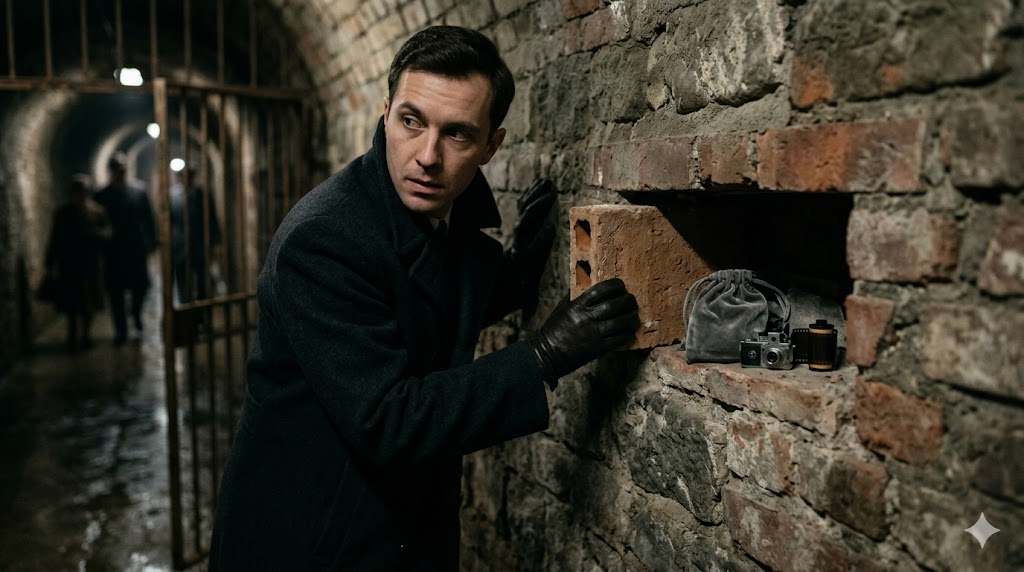
Clandestine Dead Drop and Microdots
Conclusion
The Cold War era of early hacking reminds us that intelligence has always been about creativity and adaptability. From tunnels beneath Berlin to books crossing the Iron Curtain, non-computer methods shaped history by bridging information gaps and challenging adversaries indirectly. These stories of smuggling networks and communication hacks highlight human resilience and ingenuity in the face of ideological conflict.
As we navigate today's digital threats, the lessons from Cold War espionage endure: understanding vulnerabilities—whether physical, human, or technological—remains key to security. The shadows of the past continue to inform the strategies of the present.