World Book Day 2026: Celebrating Reading on April 23
Current Affairs• April 23, 2026• Global Edition
Every year on April 23, readers, writers, publishers, and book lovers worldwide pause to honor the written word. Known officially as World Book and Copyright Day, this UNESCO-proclaimed observance celebrates the transformative power of books while highlighting the importance of protecting intellectual property. In 2026, as we mark another April 23, the day continues to inspire millions to embrace reading as a gateway to new worlds, cultures, and ideas.
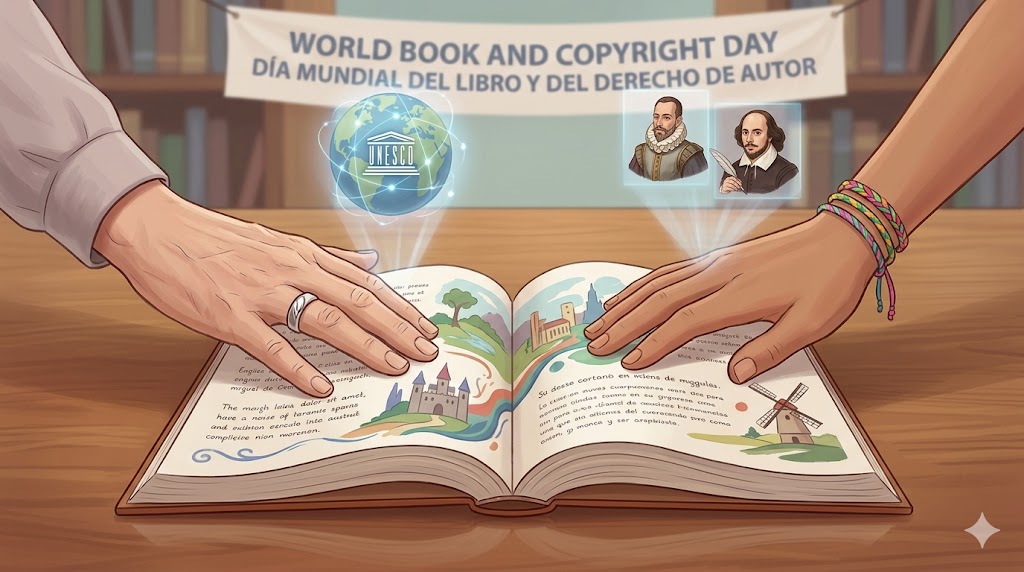
World Book Day is more than a calendar event—it serves as a global reminder of literature's role in bridging generations and fostering understanding. The date holds special literary significance, coinciding with the death anniversaries of giants like Miguel de Cervantes and William Shakespeare in 1616. This connection adds depth to the celebrations, linking modern readers with timeless storytelling traditions.
Alongside World Book Day, April 23 also features English Language Day and Spanish Language Day at the United Nations. These observances promote multilingualism and cultural diversity, reinforcing how language and literature shape our shared human experience. Whether through school events, family reading sessions, or creative activities, World Book Day for kids brings joy and learning together in meaningful ways.
This article delves into the history, significance, and practical ways to celebrate World Book Day 2026. From engaging World Book Day ideas to fun elements like songs, dances, costumes, and drawings, discover how individuals, families, and communities can participate fully.
The History and Significance of World Book and Copyright Day
World Book and Copyright Day traces its roots to 1995, when UNESCO's General Conference established the annual observance. The choice of April 23 was deliberate, honoring the passing of two literary legends: Spanish author Miguel de Cervantes, creator of *Don Quixote*, and English playwright William Shakespeare. The date also aligns with the death or birth of other notable writers, including Inca Garcilaso de la Vega.
The initiative built upon earlier efforts in Spain, where a similar book day had been proposed in the 1920s to boost reading and honor Cervantes. UNESCO expanded this concept globally, emphasizing not only the joy of reading but also the protection of copyright. By linking books with authors' rights, the day underscores the need to support creators and ensure fair access to knowledge.
What is World Book Day at its core? It promotes reading for pleasure, encourages publishing, and raises awareness about copyright issues in the digital age. Books act as windows to diverse perspectives, helping combat isolation and build empathy across cultures. In an era of rapid technological change, this message remains vital—literature nurtures imagination, critical thinking, and lifelong learning.
UNESCO further amplifies the day's impact by designating a World Book Capital each year. This city showcases innovative programs to promote books and reading. The selection highlights global efforts to make literature accessible to all, regardless of age or background.
The significance of World Book and Copyright Day extends beyond celebration. It addresses challenges like declining reading habits among young people and the need to protect intellectual property in a connected world. By focusing on these themes, the observance encourages societies to invest in education and cultural preservation.
When and How Is World Book Day Celebrated?
When is World Book Day? The international observance falls fixed on April 23 each year. In 2026, it lands on a Thursday, making it convenient for schools and communities to organize events without major disruptions.
Note that some regions, particularly in the UK and Ireland, hold a separate World Book Day on the first Thursday in March (March 5 in 2026) to align with school terms and avoid Easter holidays. However, the UNESCO-proclaimed World Book and Copyright Day remains on April 23 globally.
Celebrations take many forms. Libraries host book fairs and author talks, while schools organize World Book Day for kids activities. Families might enjoy shared reading sessions or creative projects at home. Public events include poetry readings, storytelling sessions, and discussions on copyright in the publishing industry.
UNESCO encourages member states to tailor activities to local contexts while maintaining the day's universal themes. From urban book swaps in bustling cities to community read-alouds in rural areas, the focus stays on making books accessible and enjoyable.
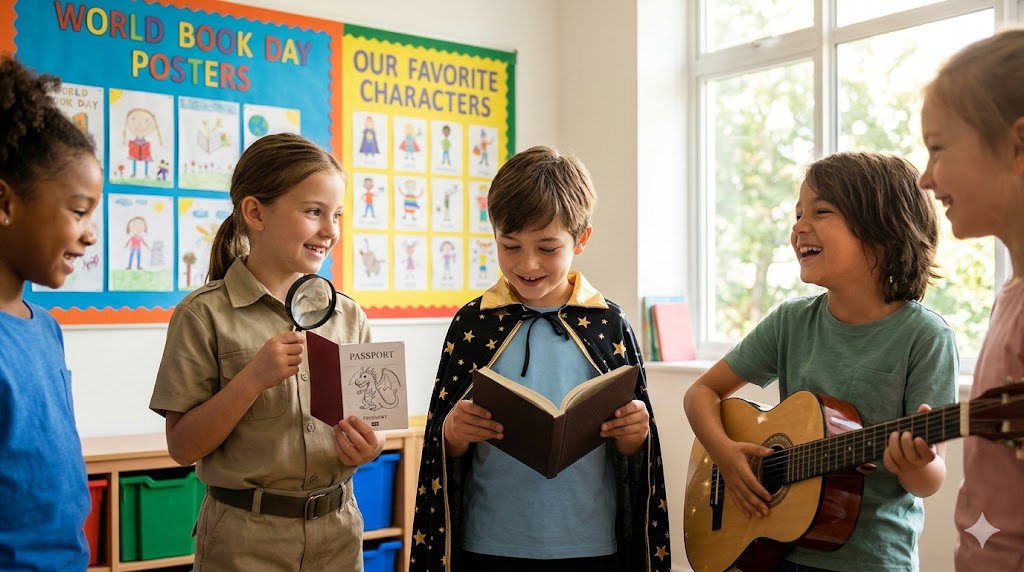
Engaging World Book Day Kids: Diverse children at a school assembly in 2026 participate in various activities.
English Language Day and Spanish Language Day: A Shared Celebration
April 23 holds additional meaning through the United Nations' language observances. English Language Day commemorates Shakespeare's birthday and death date, celebrating the language's global influence and its rich literary heritage. Shakespeare alone introduced hundreds of words and phrases still used today, from "break the ice" to "love is blind."
Similarly, Spanish Language Day honors Cervantes and the vibrant Spanish-speaking world. Spanish ranks among the most spoken languages, carrying cultural richness across continents. Both days, established by the UN to promote its six official languages, emphasize multilingualism as a tool for cultural diversity and international dialogue.
These observances align perfectly with UNESCO World Book Day. Together, they highlight how literature transcends linguistic boundaries while respecting each language's unique contributions. Events often feature bilingual readings, translations, or discussions on how stories travel across cultures.
In practice, schools might combine activities—reading Shakespeare excerpts alongside Cervantes-inspired tales—to show the interconnectedness of world literature. This approach enriches World Book Day kids experiences, teaching respect for diversity from an early age.
Engaging World Book Day Ideas for Kids and Families
World Book Day ideas abound for making the day memorable and educational. For children, the emphasis lies on fun, creativity, and building positive associations with reading.
Popular activities include:
Book character parades or dress-up days using simple, inclusive World Book Day costumes. Children can portray favorites from classic tales or modern stories without needing elaborate outfits.
Reading challenges where kids track books read or share recommendations with friends.
Storytelling circles that encourage oral narration and listening skills.
Book swaps or fairs that promote sharing and discovery of new titles.
For younger children, picture books and interactive sessions work wonderfully. Older kids might explore creative writing prompts inspired by favorite authors or debate themes from celebrated works.
World Book Day songs and World Book Day rap add musical energy. Simple rhymes about the joy of reading, or educational raps highlighting authors and stories, engage kids through rhythm and repetition. Some popular tracks feature upbeat lyrics encouraging "reading is amazing" or exploring book adventures.
World Book Day dance routines can interpret story elements—acting out scenes from adventures or fairy tales through movement. These performative activities boost confidence and make literature come alive.
At home or in classrooms, World Book Day drawing and World Book Day poster projects allow artistic expression. Kids draw favorite characters, design imaginary book covers, or create posters promoting reading. These visuals often become classroom displays or family keepsakes, reinforcing the day's messages.
World Book Day costumes need not be expensive. Simple suggestions include wearing colors or accessories matching a character—glasses for a young wizard, a red cape for a superhero, or everyday clothes styled as a bookish explorer. The goal remains celebrating stories rather than perfection in attire.
Creative Activities: From Posters to Performances
World Book Day poster creation offers an excellent hands-on project. Children can illustrate scenes from beloved books, incorporate quotes, or design eye-catching messages like "Open a Book, Open Your Mind." Using crayons, markers, or digital tools, these posters spark discussions about themes and illustrations.
World Book Day drawing extends this creativity. Step-by-step guides help kids sketch characters, from simple shapes for animals to expressive faces for human figures. Such activities develop fine motor skills while deepening story engagement.
For group fun, organize a World Book Day fair with stalls featuring book recommendations, craft stations, and performance corners. Include World Book Day song 2021 or newer renditions if available, or create original ones as a class project.
World Book Day rapid performances, perhaps led by a teacher or enthusiastic parent, can cover topics like "Why Books Matter" or "Meet the Authors." These lively elements keep energy high and appeal to different learning styles.
Dance integrations work well too. Choreograph simple moves representing plot points—turning pages, embarking on journeys, or solving mysteries. World Book Day dance brings physical activity into the literary celebration, benefiting holistic development.
The Role of Schools and Communities in World Book Day 2026
Schools play a pivotal role in World Book Day for kids. Assemblies, dedicated reading time, and cross-curricular links (art with drawings, music with songs) maximize impact. Teachers can incorporate World Book Day ideas into lesson plans, such as writing book reviews or researching authors.
Communities extend the reach through public libraries, bookstores, and local events. Book donations, author visits, or virtual sessions with writers make participation inclusive. In 2026, with growing awareness of digital divides, hybrid formats—combining in-person and online activities—ensure broader access.
Parents and guardians contribute by fostering home reading habits. Simple routines like bedtime stories or family discussions about daily reads strengthen bonds and model lifelong learning.
Challenges such as screen time competition or varying literacy levels require thoughtful approaches. Inclusive ideas—audio books, graphic novels, or multilingual selections—help every child find joy in stories.
Broader Impact: Promoting Literacy and Cultural Diversity
World Book and Copyright Day carries lasting importance in promoting global literacy. Books empower individuals, support education, and drive social progress. By protecting copyright, the day ensures creators receive recognition and incentive to produce quality work.
The convergence with English Language Day and Spanish Language Day amplifies messages of diversity. Multilingual literature exposes readers to varied worldviews, reducing prejudices and enriching cultural understanding.
In an interconnected world, these observances remind us that stories transcend borders. A child in one country reading translated works from another builds bridges of empathy. Initiatives supporting translation and accessible publishing further this goal.
Looking ahead to World Book Day 2026 and beyond, technology offers new opportunities—e-books, interactive apps, and virtual reality storytelling—while traditional print books retain their tactile charm. Balancing innovation with preservation of copyright remains key.
Literature Bridging Cultures: A close-up view of diverse hands meeting over an open multilingual book
Conclusion
World Book Day on April 23 stands as a beacon for all who value stories, knowledge, and creativity. Proclaimed by UNESCO as World Book and Copyright Day, it honors the enduring legacy of authors while inspiring new generations to discover the magic within pages.
From World Book Day ideas and costumes to songs, dance, posters, and drawings, the day offers endless ways to engage, especially for kids. Paired with celebrations of English Language Day and Spanish Language Day, it underscores the beauty of linguistic and cultural diversity.
As we observe World Book Day 2026, let us commit to opening more books, sharing more stories, and protecting the rights that sustain literary creation. Whether through a quiet reading moment, a lively rap performance, or a colorful classroom poster, every action contributes to a world where reading thrives.
Embrace the power of literature this April 23. Pick up a book, share a tale, and pass on the joy of discovery. In doing so, we honor the past, enrich the present, and shape a brighter, more literate future for all.
Frequently Asked Questions
What is the primary significance of World Book Day 2026: Celebrating Reading on April 23?
Every year on April 23, readers, writers, publishers, and book lovers worldwide pause to honor the written word. Known officially as World Book and Copyright Day, this UNESCO-proclaimed observance celebrates the transformative power of books while highlighting the importance of protecting intellectual property.
How does this development impact Current Affairs?
In 2026, as we mark another April 23, the day continues to inspire millions to embrace reading as a gateway to new worlds, cultures, and ideas.World Book Day is more than a calendar event—it serves as a global reminder of literature's role in bridging generations and fostering understanding. The date holds special literary significance, coinciding with the death anniversaries of giants like Miguel de Cervantes and William Shakespeare in 1616.
What are the key future projections to monitor?
This connection adds depth to the celebrations, linking modern readers with timeless storytelling traditions.Alongside World Book Day, April 23 also features English Language Day and Spanish Language Day at the United Nations.