Impact of Social Media on Youth Mental Health & Anxiety
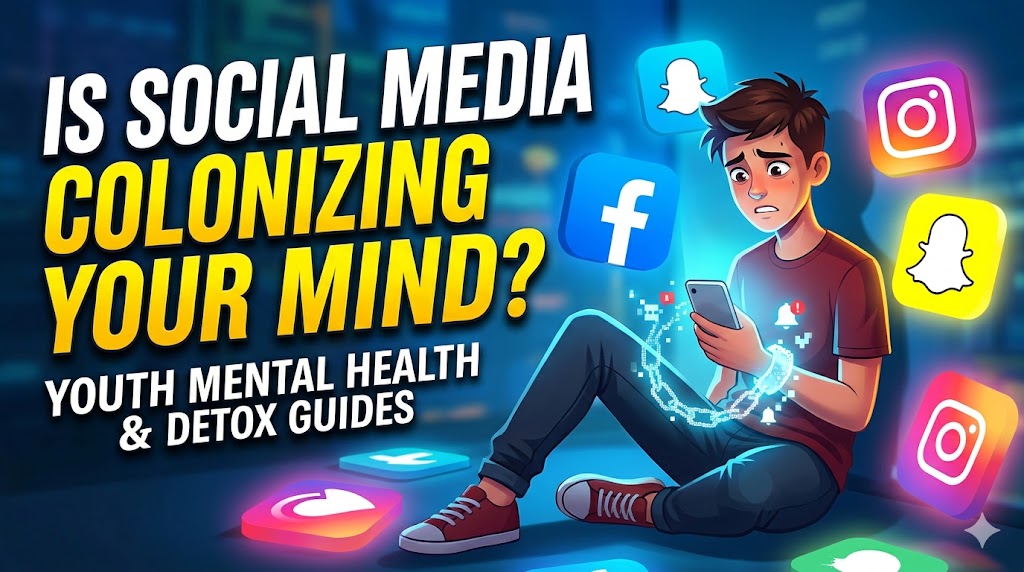
In today's digital age, social media has become an inseparable part of daily life for millions of young people. From Instagram and TikTok to Snapchat and YouTube, these platforms promise connection, entertainment, and self-expression. Yet, beneath the surface lies a growing concern: the profound impact of social media on mental health, particularly among youth and children. As usage surges, so do reports of depression, anxiety, and even suicidal ideation linked to endless scrolling and curated online lives.
Parents, educators, and mental health experts increasingly ask the same question: Is social media attracting our youth at the cost of their well-being? This article examines both sides of the coin—the allure that draws in children and teenagers, the undeniable disadvantages, and the real-world consequences like heightened stress, fear of real-life social engagement, and a sense of inadequacy fueled by unattainable lifestyles. We will also explore how social media subtly colonizes young minds, reshaping thoughts, aspirations, and self-worth. By the end, you'll find actionable insights on social media detox and building healthier habits. Understanding these dynamics is crucial for fostering resilient minds in an always-on world.
The Allure of Social Media: Why It Attracts Youth and Children
Social media's magnetic pull on young users is no accident. Designed with addictive algorithms, these platforms deliver instant dopamine hits through likes, comments, and shares. For children as young as 8–12, who now make up nearly 40% of users despite age restrictions, the appeal lies in belonging. Teens, who spend an average of 3.5 hours daily on these apps, find validation in viral trends and influencer lifestyles that feel aspirational and exciting.
The attraction goes deeper. Social media offers a low-pressure space for self-discovery—posting selfies, joining niche communities, or discovering music and ideas unavailable offline. For shy youth, it provides a gateway to friendships across borders. Yet this convenience comes with a hidden cost: it replaces unstructured play and face-to-face interactions with screen time that wires young brains toward constant stimulation. As one study notes, heavy use begins early, setting patterns that persist into adolescence.
This attraction is amplified by peer pressure. Missing out on group chats or challenges can feel isolating, creating a cycle where youth log on to stay relevant. For middle-class families, the platforms democratize access to "cool" experiences, but they also plant seeds of comparison that erode confidence over time.
The Positive Side of Social Media: Connection and Empowerment
While the focus often lands on negatives, social media does offer genuine benefits when used mindfully. It fosters community for marginalized youth, providing support groups for mental health struggles, LGBTQ+ identities, or chronic illnesses. Educational content—from study tips to global news—broadens horizons, and campaigns against bullying or for body positivity have raised awareness.
Some teens report improved mood from positive interactions, such as supportive comments or creative collaborations. In moderation, these platforms enhance social skills and self-expression. However, research consistently shows these upsides diminish with excessive use, where quantity overtakes quality.
The Dark Side: How Social Media Harms Mental Health
The disadvantages of social media on mental health are well-documented and alarming. Excessive engagement rewires neural pathways, prioritizing virtual rewards over real-life fulfillment. Here's a closer look at the key impacts.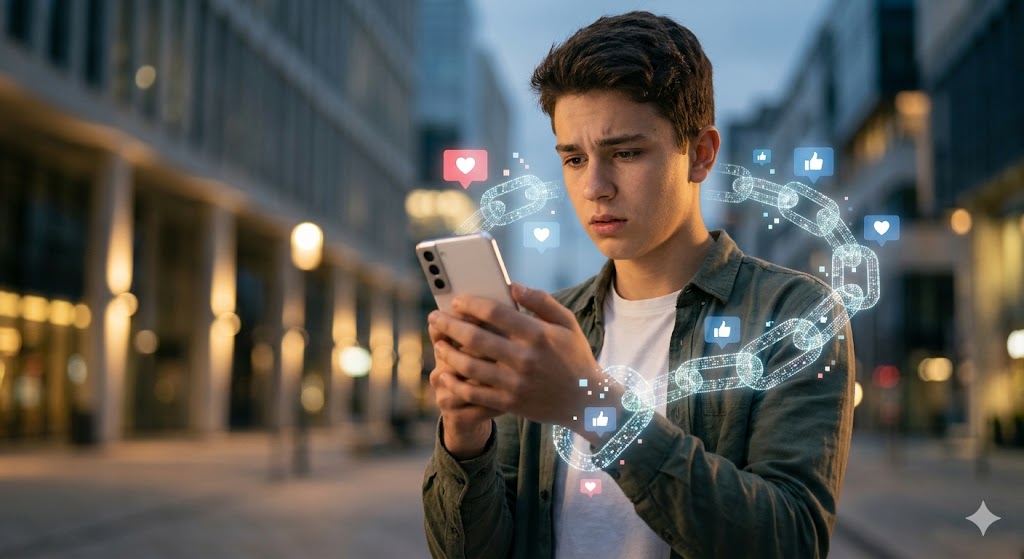
Beyond surface disadvantages, this dynamic image conceptualizes how algorithmic feeds subtly colonize young minds, reshaping thoughts, aspirations, and self-worth by prioritizing validation metrics over authentic development
Social Media Addiction and Its Grip on Young Minds
Social media addiction affects countless youth, with algorithms engineered to maximize time spent scrolling. Teens using platforms more than three hours daily face twice the risk of depression and anxiety symptoms. Addiction manifests as irritability when offline, neglected responsibilities, and disrupted sleep—issues now linked to higher suicidal ideation rates, with addicted children 2–3 times more likely to experience these thoughts.
This habit forms early. The constant notifications create a feedback loop, making detachment feel impossible. For many, quitting social media seems daunting, yet the toll on focus and emotional regulation is undeniable.
Body Image Distortion and Self-Esteem Erosion
One of the most visible effects of social media on health is its assault on body image. Filters and edited photos create impossible standards. Nearly 46% of teens say social media makes them feel worse about their bodies, with girls reporting higher rates of dissatisfaction.
Constant exposure to "perfect" physiques triggers social comparison, leading to disordered eating, low self-esteem, and anxiety. Studies confirm that reducing usage by even 50% for a few weeks significantly improves appearance satisfaction. For youth, this pressure doesn't just affect confidence—it shapes identity during critical developmental years.
Depression, Anxiety, and Rising Suicidal Ideation
The link between social media and mental health crises is stark. Heavy users report elevated depressive symptoms, with longitudinal data showing increased risk as screen time rises. In 2025 surveys, nearly half of teens viewed these platforms as mostly negative for peers, and one in five personally felt their mental health suffer.
Cyberbullying amplifies this. Victims face relentless harassment, fueling isolation. Tragically, some cases tie directly to self-harm content or challenges. Suicidal behaviors have risen alongside social media growth, with problematic use correlating to more severe symptoms in depressed youth.
Fear of Social Life: Anxiety and Withdrawal from Real Interactions
Social media ironically heightens fear of engaging in pure social life. "Fear of stage"—or more broadly, social anxiety—grows as youth compare offline selves to polished online personas. Many develop FOMO (fear of missing out), leading to avoidance of in-person events. Productivity drops, sleep suffers, and real conversations feel intimidating after years of curated digital exchanges.
This withdrawal creates a vicious cycle: less real-world practice means greater reliance on screens, deepening isolation despite apparent "connectedness."
The Expensive World of Social Media: Stress on Middle-Class Youth
Social media paints an expensive, glamorous world of luxury vacations, designer goods, and flawless routines. For middle-class and lower-income youth, this curated excess breeds stress and inadequacy. Influencers promote overconsumption, making followers feel incapable if they can't replicate the lifestyle. "If I can't match this online life, I'm not capable of anything," becomes an internalized narrative.
This pressure contributes to financial anxiety, materialism, and resentment. Studies on youth luxury consumption show social media directly influences buying habits and aspirations, leaving many feelings trapped in a cycle of comparison and perceived failure.
The Colonization of the Mind: How Social Media Reshapes Youth Thinking
Beyond surface effects, social media enacts a subtle colonization of the mind. Algorithms dictate what users see, prioritizing engagement over truth or balance. This shapes worldviews, values, and even political beliefs from a young age. Youth absorb consumerism, perfectionism, and instant gratification as norms, diminishing critical thinking and resilience.
The "colonization" begins innocently—through endless feeds that normalize unrealistic standards—but evolves into mental dependency. Thoughts center on validation metrics rather than intrinsic worth. Over time, this erodes authentic self-development, replacing it with performative identities. Experts warn this algorithmic influence risks long-term psychological harm, creating generations more vulnerable to external control than ever before.
Evidence from Studies and Real-World Insights
Data paints a consistent picture. A 2025 Pew survey found 48% of teens see mostly negative peer effects, with girls disproportionately impacted. Yale and other institutions link spikes in usage to poorer emotional coping. Globally, population-level declines in youth well-being trace back to social media's rise, especially post-2010.
Anecdotes from counselors reveal common patterns: teens presenting with anxiety tied to likes, body dysmorphia from filters, and despair from "perfect" feeds. These are not isolated; they reflect systemic design flaws.
Breaking Free: Social Media Detox and Healthy Habits
The good news? Change is possible. Social media detox—intentionally limiting or quitting platforms—yields rapid benefits. One-week breaks reduce anxiety by 16%, depression by 25%, and improve sleep. Two-week trials show lasting gains in life satisfaction and relationships.
How to quit social media or build better habits:
Set strict time limits using built-in app tools.
Replace scrolling with offline activities like sports, reading, or hobbies.
Practice mindful usage: curate positive feeds and unfollow triggers.
Involve family accountability—shared device-free zones.
Seek professional help if addiction signs persist.
Parents can model balance, discuss online vs. reality, and monitor without invading privacy. Schools should integrate digital literacy into curricula.
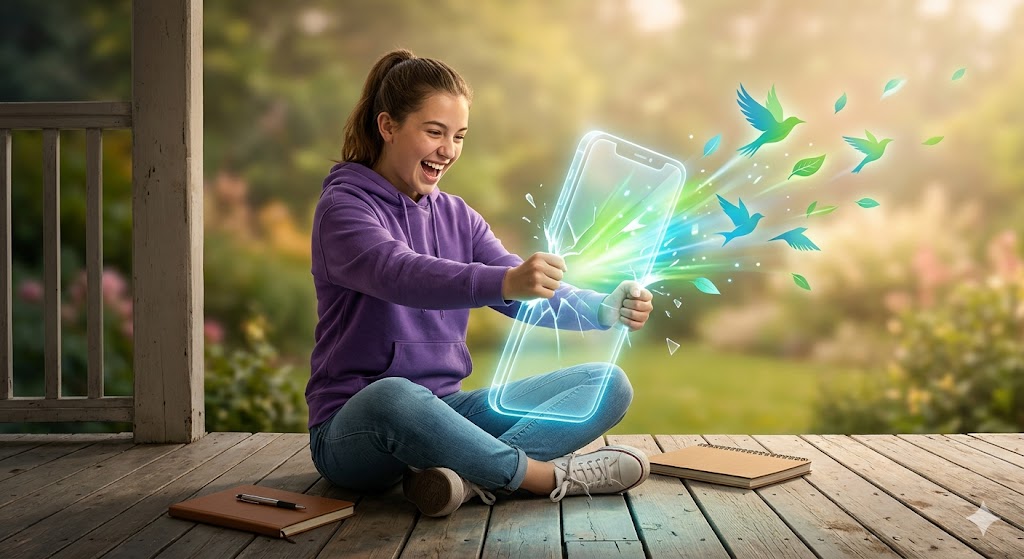
Breaking the digital chains: This dynamic image visualizes the liberating power of a social media detox, showing how intentionally limiting usage allows youth to reclaim their minds and embrace real-world fulfillment and connection.
Conclusion: Reclaiming Mental Well-Being in a Digital World
The impact of social media on mental health demands urgent attention. While it attracts youth with promises of connection and excitement, its disadvantages—addiction, body image struggles, depression, anxiety, suicidal risks, social withdrawal, and lifestyle-induced stress—far outweigh benefits for many. By colonizing young minds with unrealistic ideals, these platforms threaten authentic growth and resilience.
Yet awareness is the first step toward empowerment. Through intentional detox, healthier habits, and open conversations, youngsters can reclaim their minds and lives. Parents, policymakers, and platforms must collaborate to create safer digital spaces. For today's youth, striking this balance isn't optional—it's essential for thriving mentally and emotionally.
If you're struggling with social media's effects, start small: one day offline can spark lasting change. Prioritize real connections, self-compassion, and presence. The future of youth mental health depends on it.