Sanatan Dharma: History, Evolution, Beauty & Modern Legacy
Dharma• March 28, 2026• Global Edition
Introduction: What is Sanatan Dharma?
Sanatan Dharma, often synonymous with Hinduism yet distinctly its native essence, represents the "eternal order" or "eternal law" that sustains the universe and human existence. The term "Sanatan" signifies timeless and unchanging, while "Dharma" encompasses duty, righteousness, cosmic order, and the natural way of life. Unlike religions with a single founder or fixed dogma, Sanatan Dharma is a way of life rooted in ancient wisdom revealed to rishis (sages) through the Vedas. It is not merely a religion but a comprehensive philosophy guiding ethics, spirituality, science, and society.
In today's context, sanatan dharma history reveals a tradition that has endured invasions, colonial influences, and modern critiques while continuing to offer universal truths. This article delves into sanatan dharma history, its evolution, the beauty of sanatan dharma, the reality of sanatana dharma, and its significant contributions to the contemporary world up to 2026. It also addresses sanatan dharma basics, relations with Hinduism, contrasts with Arya Samaj, and instances of attempted disrespect, such as remarks by MK Stalin, underscoring the imperative: don't mess with or disrespect Sanatan Dharma.
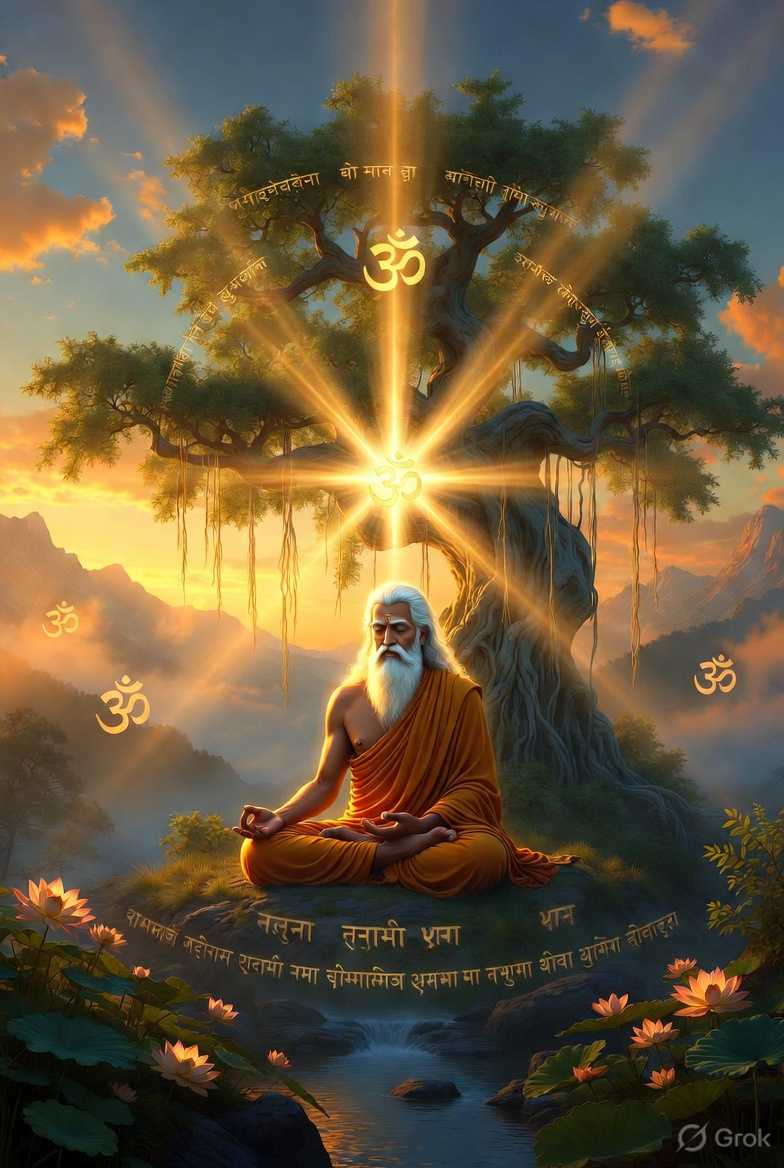
beauty of Sanatan Dharma and hinduism
Sanatan Dharma emphasizes that every individual, regardless of background, has an innate dharma aligned with their nature (svabhava). Core principles include karma (action and consequence), reincarnation (punarjanma), moksha (liberation), and the pursuit of purusharthas (four goals of life: dharma, artha, kama, moksha). Its flexibility allows diverse paths—bhakti (devotion), jnana (knowledge), karma (action), and raja (meditation)—making it inclusive and adaptive.
Sanatan Dharma History and Origin
Sanatan dharma history traces back to the Vedic period, approximately 1500 BCE, with the composition of the Rigveda and other Vedas by Indo-Aryan sages in the Indian subcontinent. However, many scholars and traditional views posit even earlier origins, potentially linked to the Indus Valley Civilization (circa 3300–1300 BCE), where archaeological evidence suggests ritualistic practices resembling later Hindu traditions.
The Vedas—Rigveda, Samveda, Yajurveda, and Atharvaveda—form the foundational scriptures, containing hymns, rituals, and philosophical insights. These were orally transmitted for centuries before being codified. Sanatan dharma origin is not tied to a historical event or prophet but to eternal truths (sanatana) discovered through meditation and divine revelation. The Upanishads (circa 800–200 BCE) shifted focus from ritualism to profound metaphysics, exploring Brahman (ultimate reality), Atman (soul), and the unity of all existence.
Epic literature like the Ramayana and Mahabharata (circa 400 BCE–400 CE) popularized dharma through narratives of Rama and Krishna. The Puranas further enriched sanatan dharma history with myths, cosmology, and devotional practices. By the medieval period, the Bhakti movement democratized spirituality, emphasizing personal devotion over rigid rituals, influencing saints like Kabir, Tulsidas, and Mirabai.
Colonial encounters in the 18th–19th centuries prompted introspection. British scholars coined "Hinduism" as an umbrella term for diverse practices observed beyond the Indus River. In response, Sanatan Dharma emerged prominently as the self-designated eternal tradition, distinguishing it from reformist movements.
Sanatan dharma history in Hindi traditions, regional folklore, and temple architectures further illustrates its organic growth across India, from Himalayan shrines to southern Dravidian temples. No single origin date exists because it is sanatan—eternal—adapting while preserving core principles.
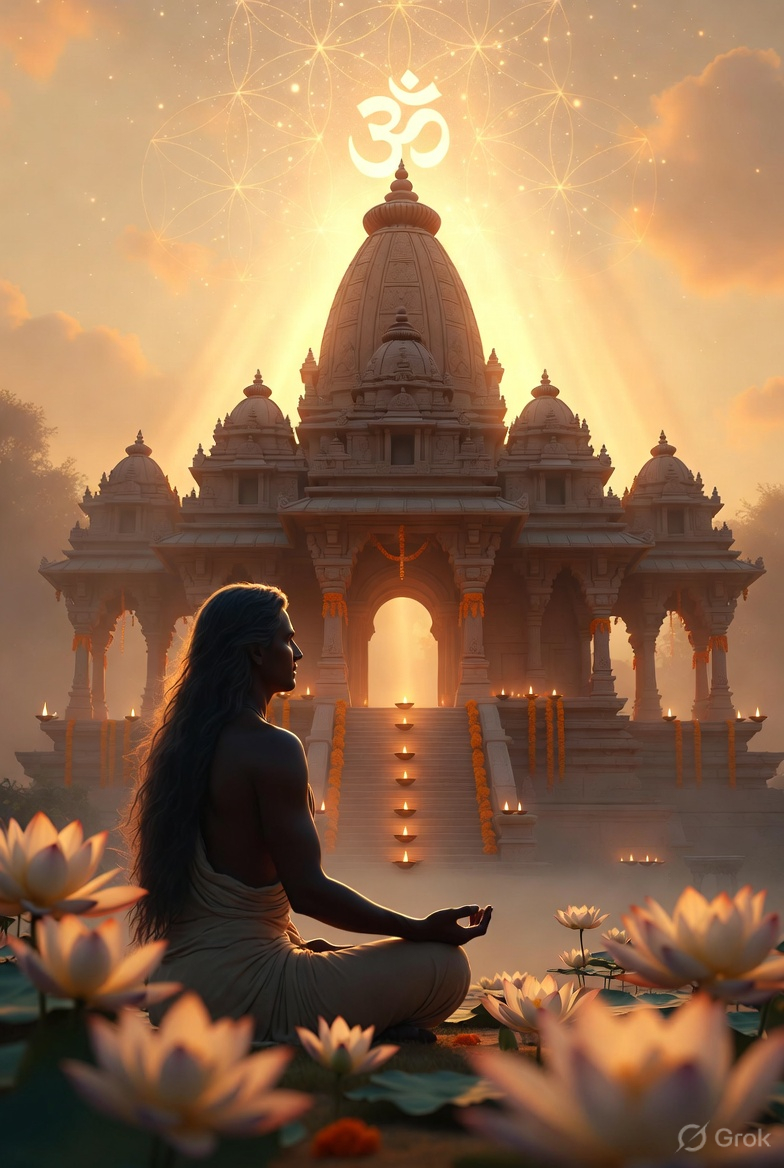
santan Dharama as the founder of yoga
How Sanatan Dharma Evolved
Sanatan Dharma's evolution reflects resilience and synthesis. From Vedic ritualism (yajnas and fire sacrifices) emphasizing cosmic harmony, it progressed to philosophical inquiry in the Upanishads and six darshanas (schools of thought: Nyaya, Vaisheshika, Samkhya, Yoga, Mimamsa, Vedanta).
The Gupta Empire (4th–6th CE) marked a golden age of temple building, idol worship (murti puja), and Puranic Hinduism, solidifying sanatan dharma basics like the trimurti (Brahma, Vishnu, Shiva) and goddess worship (Shakti).
Medieval Islamic invasions challenged yet enriched it through syncretic elements, while the Bhakti and Sufi movements fostered unity. The 19th-century renaissance, influenced by figures like Raja Ram Mohan Roy and Swami Vivekananda, modernized practices without diluting essence—introducing social reforms while reaffirming Vedic roots.
In the 20th century, independence movements drew on dharma for ethical nationalism. Post-1947, Sanatan Dharma evolved through diaspora globalization and technological adaptation. Today, it integrates ancient wisdom with modernity: virtual pujas, online discourses, and apps for rituals.
This evolution distinguishes traditional Sanatan Dharma from reform movements. For instance, sanatan dharma vs arya samaj highlights key differences. Arya Samaj, founded by Swami Dayanand Saraswati in 1875, advocates a return to the Vedas alone, rejecting idol worship, caste rigidity (promoting varna by merit), and later texts like Puranas. It emphasizes monotheism, education (including for women and shudras), and social reform. Sanatan Dharma, conversely, embraces the full spectrum—Vedas plus epics, Puranas, Agamas, temples, festivals, and polytheistic devotion—as a holistic, living tradition. Both coexist within the broader Hindu fold, with Arya Samaj often self-identifying as Vedic Dharma rather than strictly Sanatan.
The Beauty and Reality of Sanatan Dharma
The beauty of sanatan dharma lies in its holistic vision: it views life as interconnected—body, mind, spirit, society, and cosmos. Rituals, festivals (Diwali, Holi), yoga, and meditation offer aesthetic and experiential richness. Its reality of sanatana dharma is empirical yet transcendent: concepts like zero (shunya) and decimal systems from ancient texts predate modern science, while Ayurveda integrates medicine, diet, and spirituality for preventive health.
Sanatan Dharma promotes ahimsa (non-violence), environmental stewardship (nature as divine), and tolerance—evident in "ekam sat vipra bahudha vadanti" (truth is one, sages call it by many names). In a polarized world, this pluralism is its profound beauty. The reality underscores no conversion mandate; it is a path of self-realization, not proselytization. Karma and dharma provide moral accountability without eternal damnation, fostering personal growth.
Don't mess with or disrespect Sanatan Dharma, as attempts to undermine its eternal principles ignore its proven endurance and contributions. It is not dogmatic but adaptive, sustaining billions across millennia.
Modern Challenges: Don't Disrespect Sanatan Dharma
Contemporary discourse includes controversies highlighting the need to protect its sanctity. In 2023, Udhayanidhi Stalin (son of Tamil Nadu Chief Minister MK Stalin) sparked outrage by equating Sanatan Dharma to diseases like dengue or corona, calling for its "eradication" and labeling it anti-equality due to perceived caste associations. MK Stalin defended aspects of the narrative politically. Such remarks fueled national debate, with critics arguing they misrepresent dharma's emphasis on varna as functional (not birth-based in ideal form) and its historical role in social mobility through bhakti and reforms.
These incidents underscore "don't mess disrespect of sanatan dharma"—it invites backlash because Sanatan Dharma's reality promotes equality in spiritual potential (all souls are Brahman) while acknowledging practical diversity. Its status remains vibrant, with global adherents and institutional revival.
Sanatan Dharma's Contributions to Today's World (Briefly in 2026)
Sanatan Dharma has profoundly shaped the modern world. Yoga and meditation, once esoteric, are now global industries backed by science for mental health, reducing stress and enhancing mindfulness—millions practice daily worldwide. Ayurveda offers sustainable, side-effect-free healthcare alternatives amid pharmaceutical concerns.
Philosophically, it influences ethics in AI, environmentalism (dharma as sustainable duty), and human rights. Ancient contributions—mathematics (zero, algebra), astronomy, surgery (Sushruta)—laid foundations for modern science. In 2026, amid global uncertainties, Sanatan Dharma inspires Bharat's (India's) development model: ethical governance, social harmony, and economic growth rooted in dharma principles. Initiatives like grants for Hindu causes, digital preservation, and wellness programs highlight its revival. It fosters inner awakening, eco-consciousness, and unity in diversity, countering materialism with spiritual balance.
Its global diaspora preserves temples and festivals, exporting soft power. In 2026, Sanatan Dharma's status is one of resilience—anchoring Bharat while enriching the world, proving its eternal relevance.
Conclusion: The Enduring Legacy
Sanatan Dharma is more than history; it is a living reality offering beauty, wisdom, and solutions for humanity. From sanatan dharma origin in Vedic eternity to its evolution through challenges, it continues as Hinduism's core—yet universal. What Sanatan Dharma contributes today, from yoga's global boom to ethical frameworks in 2026, affirms its unmatched value.
Respect and preserve Sanatan Dharma, for it upholds the universe. As the scriptures declare, "Dharmo rakshati rakshitah" (dharma protects those who protect it). In embracing its basics and legacy, we honor an eternal path that enriches all.
Frequently Asked Questions
What is the primary significance of Sanatan Dharma: History, Evolution, Beauty & Modern Legacy?
Introduction: What is Sanatan Dharma?Sanatan Dharma, often synonymous with Hinduism yet distinctly its native essence, represents the "eternal order" or "eternal law" that sustains the universe and human existence. The term "Sanatan" signifies timeless and unchanging, while "Dharma" encompasses duty, righteousness, cosmic order, and the natural way of life.
How does this development impact Dharma?
Unlike religions with a single founder or fixed dogma, Sanatan Dharma is a way of life rooted in ancient wisdom revealed to rishis (sages) through the Vedas. It is not merely a religion but a comprehensive philosophy guiding ethics, spirituality, science, and society.In today's context, sanatan dharma history reveals a tradition that has endured invasions, colonial influences, and modern critiques while continuing to offer universal truths.
What are the key future projections to monitor?
This article delves into sanatan dharma history, its evolution, the beauty of sanatan dharma, the reality of sanatana dharma, and its significant contributions to the contemporary world up to 2026.