IPL 2026: Rules Revolution, Squad Battles & Trophy analysis
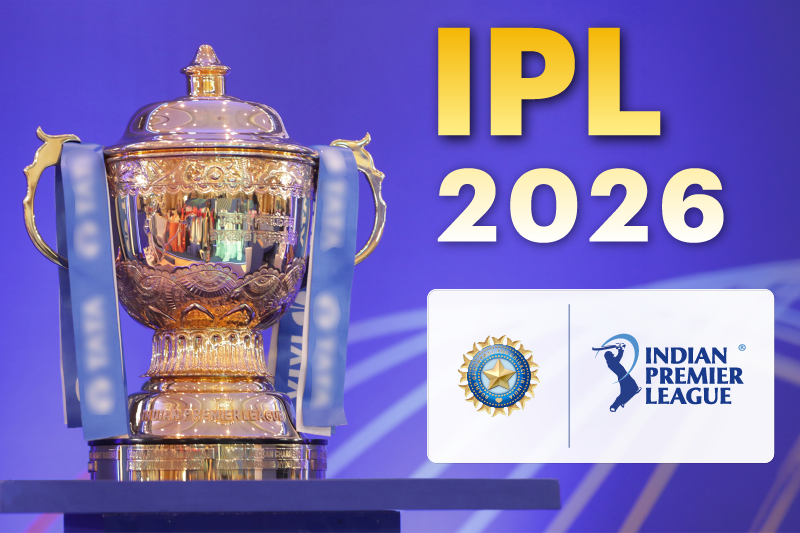
The Tata IPL 2026 season is set to electrify cricket fans worldwide as it commences on March 28, 2026, with the high-octane opener between defending champions Royal Challengers Bengaluru (RCB) and Sunrisers Hyderabad (SRH) at the M Chinnaswamy Stadium in Bengaluru. This marks the 19th edition of the league, running until the grand finale on May 31 across 13 iconic venues. With RCB entering as maiden title holders after their triumphant 2025 campaign, the tournament promises unprecedented drama amid fresh BCCI guidelines, post-auction squad overhauls, and intense rivalries.
Trending searches like IPL 2026 live, IPL 2026 schedule, IPL 2026 fixture, IPL 2026 first match, IPL 2026 RCB vs SRH, and IPL 2026 latest news dominate digital conversations. The league retains its 74-match format this year despite earlier expansion talks, featuring a revised group structure: teams play intra-group matches once and inter-group twice, seeded by titles won. RCB leads Group A as defending champions. This setup ensures balanced competition while maintaining the league’s fast-paced appeal.
Broadcasting remains with JioStar’s Star Sports and JioHotstar platforms, offering IPL 2026 live streaming options globally. Fans can catch every IPL 2026 match list update, including the IPL 2026 time table and IPL 2026 2nd match (MI vs KKR at Wankhede on March 29). The season’s packed calendar tests team strategies, especially under the new IPL 2026 rules designed to uphold professionalism and pitch integrity. 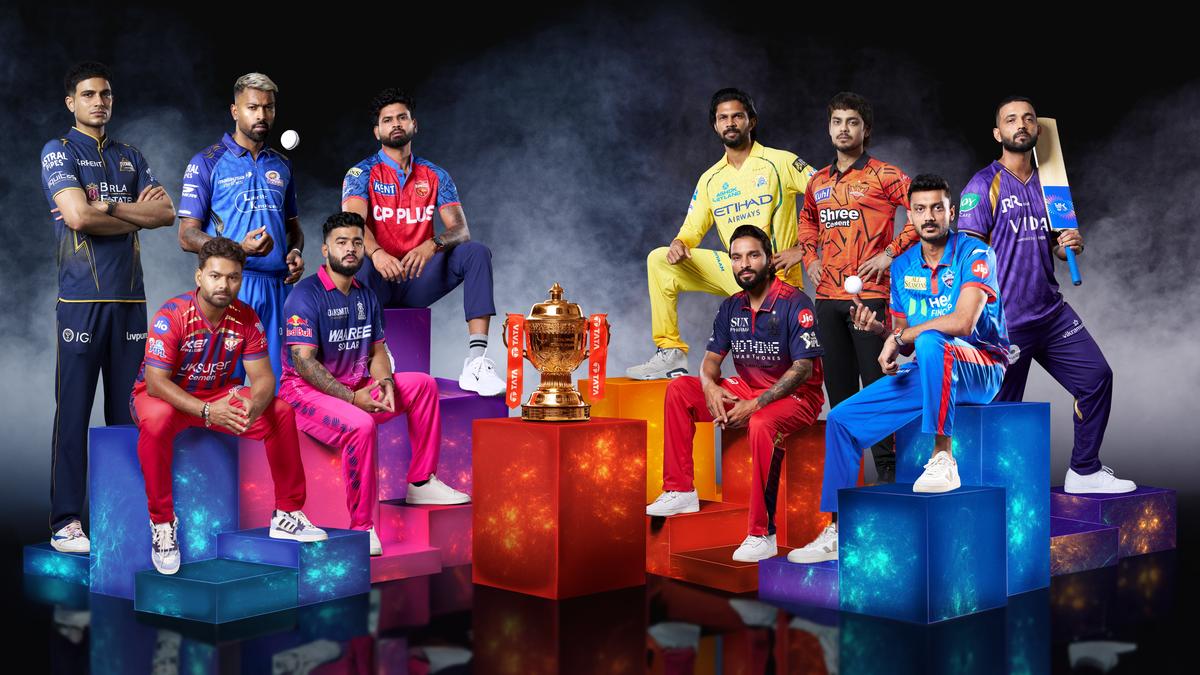 full team squads ready for the ipl 2026
full team squads ready for the ipl 2026BCCI’s IPL 2026 New Rules: A Professional Overhaul
The Board of Control for Cricket in India (BCCI) unveiled significant IPL 2026 rules ahead of the season following captains’ feedback in Mumbai. These IPL 2026 new rules prioritize pitch preservation, fair play, and operational efficiency, addressing past concerns over preparation logistics and on-field conduct.
Central to the changes is the outright ban on match-day practice sessions. Teams can no longer train or conduct fitness tests on the main square on game days. Each franchise receives only two nets in the designated practice area and one side wicket on the main square exclusively for range-hitting. Open nets are prohibited, and if one team concludes its session early, the opposition cannot utilize the vacated facilities. This restriction aims to safeguard wicket quality for actual matches, a direct response to captains’ repeated complaints about deteriorating pitches.
Additional IPL 2026 rules include stricter dress codes for post-match presentations, designated family zones in stadiums, and limited access to dressing rooms and fields—only accredited support staff (maximum 12 per team, including the doctor) are permitted during practice. Players and support staff must avoid sitting in front of LED boards, and ball-hitting onto them is discouraged. Dew management protocols remain unchanged, with ball changes allowed after the 10th over of the second innings if grip issues arise. The Impact Player rule is retained at least until 2027, providing tactical flexibility.
These guidelines reflect the BCCI’s commitment to elevating standards. Captains like Hardik Pandya and Ruturaj Gaikwad have welcomed the focus on pitch protection, noting it levels the playing field. The no-match-day-practice directive could particularly challenge teams with travel-heavy schedules, forcing pre-planned recovery and strategy sessions off the main square. Overall, the IPL 2026 rules list underscores a shift toward greater professionalism, influencing everything from squad preparation to in-game adaptability.
Comprehensive Team Analysis: Batsmen, Bowlers, Captains & Tactical Edges
Post the December 2025 mini-auction in Abu Dhabi, squads blend retained cores with high-impact buys. Cameron Green became the most expensive overseas player at ₹25.20 crore to Kolkata Knight Riders, while uncapped talents Prashant Veer and Kartik Sharma fetched ₹14.20 crore each from Chennai Super Kings. Here’s an in-depth breakdown of every IPL 2026 team, highlighting captains, key batsmen, lead bowlers, auction strategies, strengths, and potential vulnerabilities.
Royal Challengers Bengaluru (RCB – Defending Champions, Captain: Rajat Patidar)
RCB’s stability is their greatest asset. Retained stars include Virat Kohli (veteran anchor with over 8,000 IPL runs), Rajat Patidar (explosive middle-order leader), and Josh Hazlewood (pace spearhead). Auction additions like Venkatesh Iyer (₹7 crore, versatile middle-order bat) and Jacob Duffy bolster depth. Key batsmen: Kohli for consistency, Patidar for power, and Devdutt Padikkal for top-order aggression. Lead bowlers: Hazlewood, Yash Dayal, and Mangesh Yadav (140+ kph express pace). Strengths lie in batting depth and death-over bowling precision, honed in their 2025 title run. Home advantage at Chinnaswamy remains potent despite new rules limiting practice. Weakness: Over-reliance on Kohli’s form in high-pressure chases. RCB’s balanced unit makes them early IPL 2026 favorites in their opener against SRH.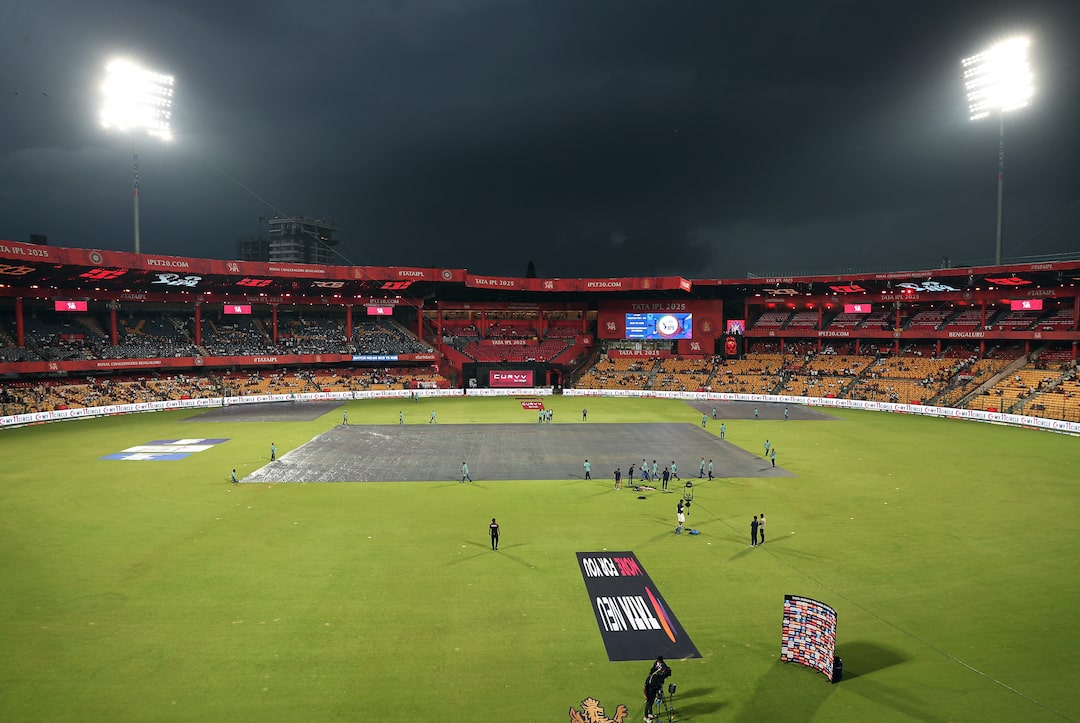 Bengaluru to return in chinnaswamy stadium for IPL games after safety improvement
Bengaluru to return in chinnaswamy stadium for IPL games after safety improvement Mumbai Indians (MI, Captain: Hardik Pandya)
Five-time champions MI boast one of the most complete squads. Core retained: Rohit Sharma (explosive opener), Suryakumar Yadav (T20 maestro), Jasprit Bumrah (world’s best death bowler), and Trent Boult. Auction stability with minimal changes; Quinton de Kock adds wicketkeeping depth. Key batsmen: Sharma, Yadav, and Tilak Varma for middle-order firepower. Lead bowlers: Bumrah, Boult, Mitchell Santner (spin control), and Hardik Pandya (all-round seam). Strengths include proven big-stage experience and lethal pace attack. The new rules may benefit their structured preparation ethos. Potential vulnerability: Middle-order inconsistency if Yadav falters. MI’s squad balance positions them as prime contenders.
Chennai Super Kings (CSK, Captain: Ruturaj Gaikwad
CSK made headlines with massive uncapped investments in Prashant Veer and Kartik Sharma (₹14.20 crore each), signaling a youth pivot alongside veterans like MS Dhoni (retained at ₹4 crore) and Sanju Samson (trade). Retained core: Gaikwad, Shivam Dube, Dewald Brevis, Noor Ahmad. Key batsmen: Gaikwad (consistent anchor), Dube (power-hitter), Samson (dynamic WK-batter). Lead bowlers: Mukesh Choudhary, Matt Henry, Akeal Hosein, and Rahul Chahar. Strengths: Chepauk home advantage and spin options. Auction splash adds unpredictability but risks inexperience in middle order. Dhoni’s mentorship remains invaluable under new pitch-protection rules.
Gujarat Titans (GT, Captain: Shubman Gill
GT retains a formidable core: Shubman Gill, Sai Sudharsan, Jos Buttler, Rashid Khan, Mohammed Siraj, and Kagiso Rabada. Auction picks like Jason Holder and Tom Banton enhance all-round depth. Key batsmen: Gill (elegant leader), Sudharsan (technically sound), Buttler (explosive WK). Lead bowlers: Rashid (spin wizard), Rabada, Siraj. Strengths: Elite spin-pace combo and consistent top order. New rules favor their disciplined setup. Minor weakness: Over-dependence on Rashid in middle overs. GT eyes playoff consistency.
Kolkata Knight Riders (KKR, Captain: Ajinkya Rahane
KKR’s auction aggression paid off with Cameron Green (₹25.20 crore) and Matheesha Pathirana (high-value pacer). Retained: Rinku Singh, Sunil Narine, Varun Chakravarthy. Key batsmen: Rinku (finisher extraordinaire), Green (all-round power), Rahane (experienced anchor). Lead bowlers: Narine, Chakravarthy, Pathirana, Harshit Rana. Strengths: Explosive middle order and varied attack. Injury concerns (Pathirana fitness) pose risks. Rahane’s calm leadership suits the revamped guidelines.
Punjab Kings (PBKS, Captain: Shreyas Iyer
PBKS rebuilt aggressively under Iyer. Retained: KL Rahul, Shreyas Iyer. Key additions: Mitchell Starc, T Natarajan. Key batsmen: Iyer (middle-order rock), Rahul (versatile opener/WK). Lead bowlers: Starc (new-ball threat), Natarajan (death specialist). Strengths: Aggressive batting intent. Weakness: Bowling consistency under pressure. New rules test their adaptability.
Rajasthan Royals (RR, Captain: Riyan Parag
Youth-led with Riyan Parag debuting as skipper. Retained: Yashasvi Jaiswal, Dhruv Jurel, Jofra Archer. Key batsmen: Jaiswal (dynamic opener), Parag (all-round contributor). Lead bowlers: Archer, Ravi Bishnoi. Strengths: Explosive top order. Weakness: Inexperience in leadership transition. Parag’s captaincy adds intrigue.
Sunrisers Hyderabad (SRH, Captain: Ishan Kishan / Pat Cummins
Power-packed batting: Travis Head, Abhishek Sharma, Heinrich Klaasen. Retained core with Harshal Patel, Cummins (when fit). Key batsmen: Head (aggressive), Klaasen (finisher). Lead bowlers: Cummins, Patel. Strengths: Batting firepower. Weakness: Bowling depth post-auction. Kishan leads initially.
Lucknow Super Giants (LSG, Captain: Rishabh Pant
Explosive under Pant: Nicholas Pooran, Mayank Yadav (express pace). Key batsmen: Pant, Pooran. Lead bowlers: Yadav, Avesh Khan, Wanindu Hasaranga. Strengths: Batting firepower and pace. Weakness: Balance in spin. Pant’s leadership energizes the unit.
Delhi Capitals (DC, Captain: Axar Patel
Spin-heavy: Axar Patel, Kuldeep Yadav, Mitchell Starc. Retained KL Rahul. Key batsmen: Rahul, Tristan Stubbs. Lead bowlers: Starc, Kuldeep. Strengths: Spin dominance. Weakness: Pace depth. Axar’s all-round prowess shines.
Win Probability Analysis: Data-Driven Title Contenders
Based on squad balance, auction value, historical performance, venue factors, and new rules’ impact on preparation, here are expert win probabilities (summing to 100%):
- Mumbai Indians: 26% – Superior depth, Bumrah’s excellence.
- Royal Challengers Bengaluru: 22% – Defending champs’ momentum.
- Gujarat Titans: 16% – Rashid-led balance.
- Chennai Super Kings: 13% – Home edge and big investments.
- Kolkata Knight Riders: 9% – Green-Pathirana firepower.
- Punjab Kings: 6% – Aggressive rebuild.
- Delhi Capitals: 4% – Spin strength.
- Lucknow Super Giants, Rajasthan Royals, Sunrisers Hyderabad: 4% combined.
MI and RCB lead due to experience and stability under IPL 2026 rules.
The Road Ahead: IPL 2026 Excitement and Legacy
With the IPL 2026 start date confirmed and IPL 2026 all captain list featuring all-Indian leaders for the first time, the season is poised for records. Whether through breakout stars or tactical masterclasses, expect unforgettable T20 cricket.